Understanding AI 18+ and Its Role in Creative Industries
The integration of artificial intelligence (AI) into the creative industries marks a transformative era that redefines how art and design are conceptualized and executed. The term AI 18+ signifies not just the use of AI in creative processes, but also the nuanced discussions around ethical implications, authenticity, and the future of creative professions. As this technology continues to evolve, its impact on the creative sectors becomes increasingly significant, sparking conversations among artists, designers, and industry experts alike. When exploring options, ai 18+ provides comprehensive insights into how these tools are reshaping artistic expression and production.
What is AI 18+ and Its Implications?
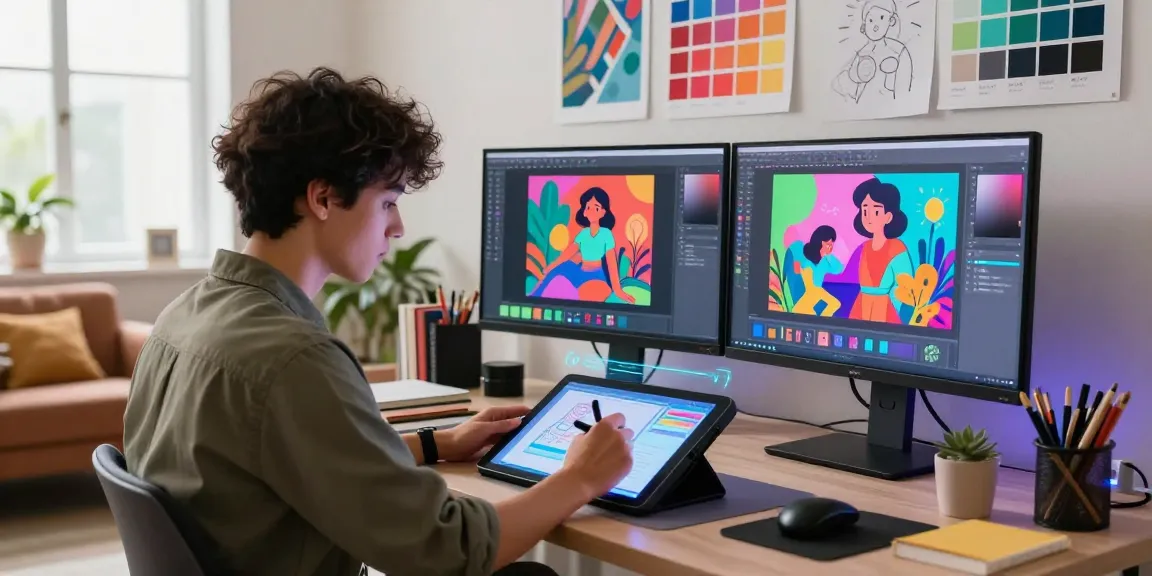
AI 18+ encompasses a range of artificial intelligence applications specifically designed for the creative field, from generating art to enhancing design workflows. The implications of these technologies are profound. Artists can leverage AI to explore new creative avenues, allowing for the generation of complex visualizations and interactive experiences that were previously unattainable.
However, AI 18+ also raises critical questions about authorship and the definition of creativity. As machines take on roles traditionally filled by humans, discussions around the ownership of AI-generated content and the ethical considerations surrounding it have come to the forefront. For instance, if an AI generates a piece of artwork, who is the true creator? These considerations necessitate ongoing dialogue within the industry as AI becomes a staple tool for artists and designers.
The Evolution of AI in Creative Work
The journey of AI in creative fields can be traced back to the early experiments in computer-generated art in the 1960s. Initially, AI applications were rudimentary, primarily focused on simple pattern recognition and basic image generation. Fast forward to today, and we see sophisticated algorithms capable of producing stunning graphics, personalized designs, and even entire artistic pieces that can emulate various styles.
The evolution of AI technologies, such as deep learning and neural networks, has enabled a leap in creative capabilities. Artists can now collaborate with AI to create works that reflect a fusion of human creativity and machine learning, resulting in unique outcomes that challenge traditional notions of what art is.
Key Benefits of Integrating AI in Art and Design
- Enhanced Creativity: AI can stimulate creativity by suggesting new ideas, styles, and techniques that artists may not have considered on their own.
- Increased Efficiency: Automation of routine tasks allows artists to focus more on the creative process rather than technical hurdles.
- Cost-Effective Solutions: AI tools can reduce costs associated with production, making high-quality creative work accessible to a broader audience.
- Personalization: AI enables the tailoring of art and design to individual preferences, enhancing customer engagement and satisfaction.
Essential Tools and Technology for AI 18+ Artists
Top Software Platforms to Explore
There are numerous software platforms emerging that cater specifically to AI-driven creative work. Programs like Adobe's Sensei and Autodesk's Project Dreamcatcher incorporate AI to streamline processes and enhance user creativity. Additionally, platforms such as Daz 3D and Artbreeder enable users to create and modify art with the help of generative algorithms, allowing for unprecedented customization and innovation.
Hardware Requirements for Optimal Design
To fully exploit the capabilities of AI in creative work, having the right hardware is essential. High-performance GPUs (Graphics Processing Units) are vital for running complex algorithms and rendering high-quality graphics efficiently. Additionally, a powerful CPU, ample RAM, and sufficient storage are necessary to support the demands of modern AI software.
Utilizing Online Resources and Communities
Many online resources offer valuable insights and support for artists looking to integrate AI into their work. Forums on platforms like Reddit and specialized communities on Discord foster collaboration and knowledge sharing among AI artists. Websites like DeepArt and RunwayML provide tools and tutorials for beginners to get started with AI in art and design.
Best Practices for Leveraging AI 18+ in Your Work
Creative Collaboration Between Humans and AI
One of the most effective ways to utilize AI in creative industries is by fostering a collaborative relationship between humans and machines. Artists should see AI as a partner rather than a competitor, using its capabilities to enhance their own creativity. This collaboration can lead to innovative works that combine human intuition with algorithmic precision.
Maintaining Artistic Authenticity with AI Tools
While AI offers powerful tools that can generate art, maintaining a sense of authenticity is crucial. Artists should remain involved in the creative process, ensuring that their vision and personal touch are evident in the final product. Incorporating personal narratives and unique perspectives into AI-assisted projects can help preserve artistic integrity.
Time Management Strategies for AI-Assisted Projects
AI can significantly improve efficiency, but managing time effectively remains essential. Breaking projects into manageable tasks, setting deadlines, and utilizing AI tools for scheduling can streamline workflows. Additionally, artists should allocate time for experimentation with AI technologies, as exploring these tools can lead to unexpected creative breakthroughs.
Case Studies: Successful AI 18+ Projects
Notable Artists Using AI in Their Work
Several prominent artists have successfully incorporated AI into their creative processes, showcasing the potential of this technology. Artists like Refik Anadol and Mario Klingemann harness machine learning to create stunning, immersive installations that captivate audiences. Their works serve as examples of how AI can be wielded to push the boundaries of traditional art forms.
Breakthrough AI Art Exhibitions
Exhibitions featuring AI-generated art have gained traction in recent years, highlighting the growing recognition of AI as a legitimate medium. Noteworthy examples include the "Unfinished" exhibition at the Barbican in London, which explored the intersection of art and technology. Such showcases validate AI's role in the contemporary art scene and encourage public engagement with this evolving field.
Lessons Learned from AI-Driven Creative Ventures
Engaging with AI in creative projects has taught artists valuable lessons about flexibility and adaptation. The unpredictability of AI can lead to unexpected yet rewarding outcomes, encouraging artists to embrace uncertainty in their work. Additionally, the collaborative nature of AI art can foster new dialogues about creativity and authorship, reshaping perceptions of artistic merit.
Future Trends and Predictions for AI 18+ Creation
Emerging Technologies Shaping the Future
As technology evolves, several trends are emerging that will shape the future of AI in the creative industries. Advances in generative adversarial networks (GANs) and neural rendering techniques promise even more sophisticated and realistic artwork. Furthermore, as AI becomes more accessible, we can expect an influx of diverse voices in the creative landscape, enriching artistic expression.
Predicted Changes in Creative Jobs with AI
The adoption of AI in creative fields will inevitably change the job landscape. While some positions may become obsolete, new roles will emerge that focus on managing AI tools and collaborating with them. Artists may find opportunities that require hybrid skill sets, blending traditional art techniques with AI proficiency.
Preparing for the Next Wave of AI Innovations
To stay ahead in the rapidly evolving creative landscape, artists must remain adaptable and open to learning. Engaging with ongoing training, participating in discussions about AI ethics, and experimenting with emerging technologies will be crucial as they navigate the future of AI 18+ in their work.
What are the benefits of using AI in creative fields?
The benefits of incorporating AI in creative fields are manifold. From enhancing creativity and increasing efficiency to enabling personalization and reducing costs, AI allows artists to expand their capabilities significantly. It opens doors for innovative practices that challenge the status quo and inspire new artistic expressions.
How can I start using AI in my art today?
Starting to use AI in your art involves exploring available tools and resources. Consider experimenting with platforms like Artbreeder or RunwayML, which offer user-friendly interfaces for creative exploration. Additionally, online tutorials and communities can provide essential guidance as you embark on your AI art journey.
What tools are recommended for AI-assisted design?
For AI-assisted design, tools like Adobe Sensei, Autodesk, and various generative art platforms are highly recommended. These tools facilitate collaboration between artists and AI, enhancing creativity and streamlining design processes.
Are there any ethical concerns about using AI in art?
Yes, ethical concerns surrounding AI in art primarily focus on authorship, ownership, and the potential for bias embedded in algorithms. Engaging in discussions about these issues is vital for artists as they navigate the moral implications of AI technology in their work.
What does the future hold for AI and creative professionals?
The future of AI and creative professionals is promising yet uncertain. While AI will likely augment creative roles, it will also challenge traditional norms regarding authorship and creativity. Embracing change and adapting to technological advances will be essential for thriving in this dynamic environment.