
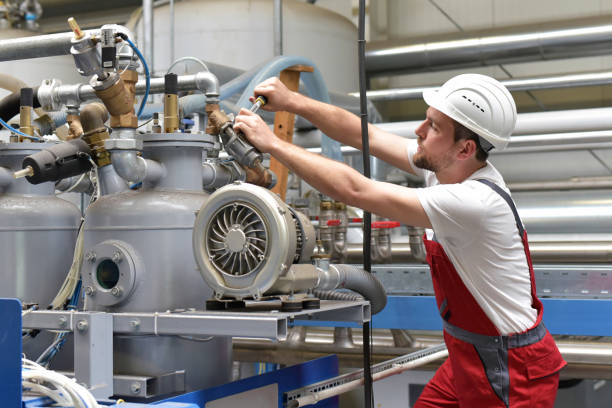
Introduction to Modern Industrial Power
In the evolving world of industrial automation, efficiency and precision are more important than ever. Fluid Power Systems have become a cornerstone of modern machinery, enabling industries to achieve higher productivity and smoother operations. These systems harness the power of pressurized fluids to generate motion and force, making them indispensable across multiple sectors.
As industries continue to innovate, Fluid Power Systems are being integrated into advanced machinery to meet increasing performance demands. Their adaptability and strength make Fluid Power Systems a preferred choice for engineers seeking reliable and scalable solutions.
Core Technologies Behind Modern Systems
Hydraulic Innovations
Hydraulic Fluid Power Systems are known for their ability to generate immense force with precision. These systems use incompressible fluids to transmit energy, making them ideal for heavy-duty applications. Modern hydraulic Fluid Power Systems now include advanced controls that improve efficiency and reduce energy waste.
Pneumatic Advancements
Pneumatic Fluid Power Systems, which operate using compressed air, are widely used in automation and manufacturing. These systems are lightweight and fast, making them suitable for repetitive tasks. With technological improvements, pneumatic Fluid Power Systems are becoming more energy-efficient and reliable.
Key Components and Their Roles
The performance of Fluid Power Systems depends on several critical components such as pumps, actuators, valves, and reservoirs. Each element contributes to the smooth functioning of the system. High-quality components ensure that Fluid Power Systems deliver consistent results even under demanding conditions.
Regular inspection and maintenance of these parts are essential to keep Fluid Power Systems operating at peak efficiency. Neglecting maintenance can lead to reduced performance and increased operational costs.
Benefits for Modern Machinery
Improved Efficiency
One of the main reasons industries adopt Fluid Power Systems is their ability to deliver consistent and efficient performance. These systems help reduce manual effort while increasing operational speed. By using advanced Fluid Power Systems, businesses can optimize their workflows and achieve better results.
Precision and Control
Modern machinery requires precise control, and Fluid Power Systems excel in this area. They allow operators to control speed, force, and direction with accuracy. This level of control makes Fluid Power Systems ideal for applications that demand high precision.
Reliability in Harsh Conditions
Industrial environments can be challenging, but Fluid Power Systems are designed to withstand extreme conditions. Their durability ensures that machinery continues to function even in tough environments. This reliability makes Fluid Power Systems a long-term investment for businesses.
Applications in Modern Industries
Manufacturing and Automation
In manufacturing, Fluid Power Systems are essential for powering automated equipment and assembly lines. They enable consistent production and reduce the risk of human error. Advanced Fluid Power Systems are also used in robotics and precision tools.
Construction Equipment
Heavy machinery such as bulldozers and cranes rely on Fluid Power Systems for their operation. These systems provide the القوة and control needed to handle large-scale construction tasks efficiently.
Transportation and Aerospace
In the transportation and aerospace industries, Fluid Power Systems are used for braking systems, landing gear, and control mechanisms. Their reliability and precision are critical for safety and performance.
Designing Advanced Systems
Custom Engineering Solutions
Every industrial application has unique requirements, which is why customized Fluid Power Systems are essential. Engineers design systems that match specific operational needs, ensuring maximum efficiency. Tailored Fluid Power Systems help businesses achieve better performance and reduced downtime.
Integration with Smart Technology
Modern Fluid Power Systems are increasingly integrated with smart technologies such as sensors and automation controls. These innovations allow real-time monitoring and adjustments, improving overall system efficiency. Smart Fluid Power Systems also help in predictive maintenance, reducing unexpected failures.
Maintenance and Optimization Strategies
Proper maintenance is crucial for ensuring the longevity of Fluid Power Systems. Regular fluid checks, component inspections, and system diagnostics help maintain optimal performance. Well-maintained Fluid Power Systems not only last longer but also operate more efficiently.
Optimization techniques, such as upgrading components and improving system design, can further enhance the performance of Fluid Power Systems. Businesses that focus on maintenance and optimization gain a competitive advantage in their operations.
Future of Fluid Power Technology
The future of Fluid Power Systems is driven by innovation and sustainability. Engineers are developing systems that consume less energy while delivering higher performance. Eco-friendly Fluid Power Systems are becoming increasingly popular as industries aim to reduce their environmental impact.
Advancements in automation and artificial intelligence are also shaping the evolution of Fluid Power Systems. These technologies enable smarter operations and improved efficiency, making them essential for future industrial growth.
Conclusion
Advanced machinery requires powerful, reliable, and efficient solutions, and Fluid Power Systems meet these demands effectively. Their versatility, precision, and durability make them a vital component in modern industries. By investing in advanced Fluid Power Systems, businesses can enhance productivity, reduce costs, and stay ahead in a competitive market.