Understanding Bed Bug Heat Treatment
What is Bed Bug Heat Treatment?
Bed bug heat treatment is a method of pest control that utilizes elevated temperatures to eliminate infestations of bed bugs and their eggs. By raising the ambient temperature of an infested area to a lethal level—typically between 120°F and 140°F—this technique effectively kills all life stages of the pest. This approach is often preferred due to its non-toxic nature, making it safe for both the environment and human health. When considering solutions for pests like bed bugs, bed bug heat treatment presents a viable option that combines efficacy with safety.
How Bed Bug Heat Treatment Works
The principle behind bed bug heat treatment is simple: extreme heat disrupts the biological processes of bed bugs. When exposed to temperatures above 120°F, bed bugs cannot survive, leading to their demise. The treatment involves several steps:
- Pre-Treatment Preparation: This includes a thorough inspection to identify infested areas and create an effective treatment plan.
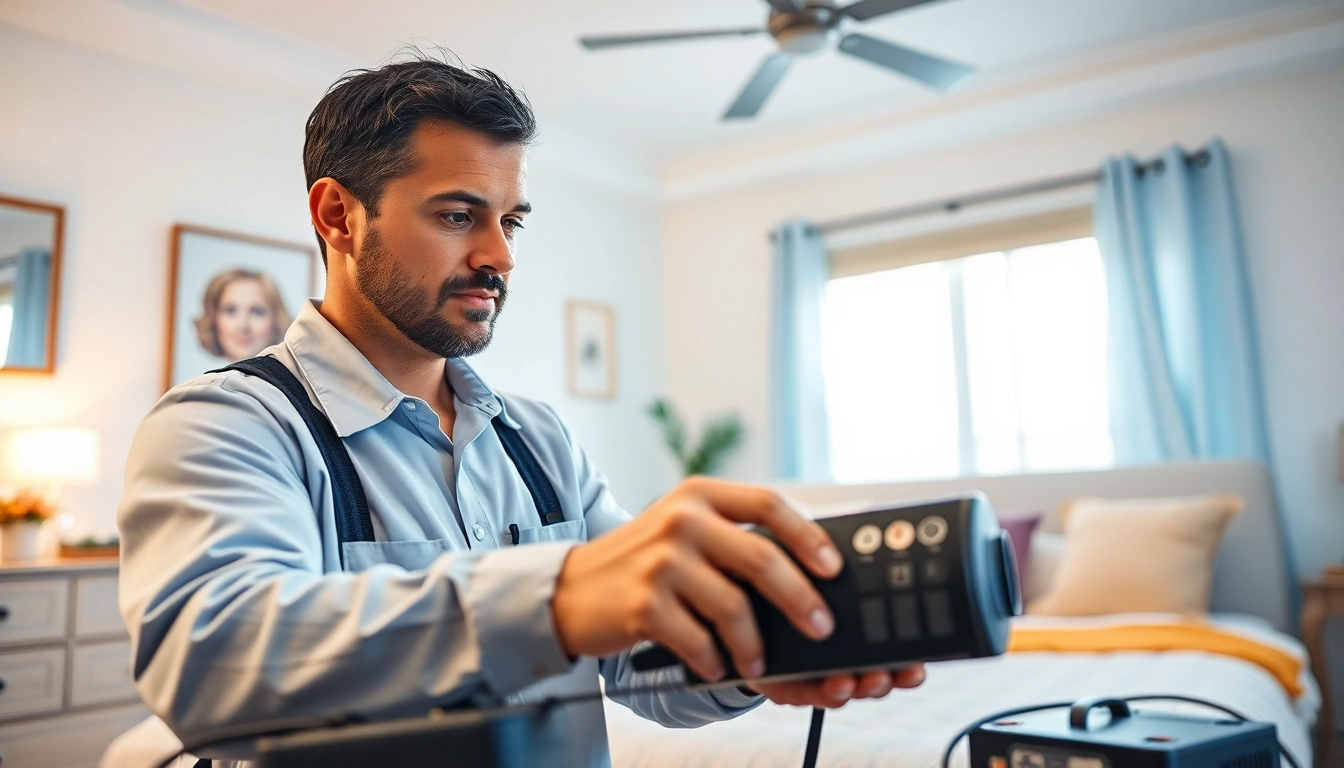
- Heating Process: Specialized heaters are deployed to increase the temperature of the affected space over time.
- Temperature Monitoring: Technicians monitor the heat to ensure it reaches and sustains the necessary levels for effective extermination.
- Assessment and Follow-Up: After treatment, further assessments are conducted to confirm the elimination of bed bugs.
Advantages of Bed Bug Heat Treatment
This method of pest control comes with several benefits:
- Non-Toxic: Unlike chemical treatments, heat does not introduce harmful substances into the environment.
- Comprehensive Kill: Heat treatment can effectively target all life stages of bed bugs, including eggs, which are often resistant to chemical sprays.
- Quick and Efficient: Typically, heat treatments can be completed within a single day, reducing disruption to your daily routines.
- Minimal Cleanup Required: Unlike chemical solutions that may leave residues, heat treatment generally requires less post-treatment cleanup.
Preparing for Bed Bug Heat Treatment
Steps to Prepare Your Home
To maximize the effectiveness of bed bug heat treatment, adequate preparation is crucial. Here are steps to follow:
- Declutter: Remove any unnecessary items from the treatment area to enhance airflow and heat distribution.
- Pre-Treatment Cleaning: Vacuum carpets, bedding, and furnishings to eliminate some of the pests before the treatment.
- Notify Residents: Inform all household members, including pets, about the impending treatment to ensure their safety is maintained.
- Access Points: Ensure that technicians can access all infested areas without obstructions.
Safety Precautions to Take
Safety during bed bug heat treatment is paramount. Here are some precautions to consider:
- Evacuate Residents and Pets: It’s essential for all people and animals to vacate the premises until the treatment is complete.
- Remove Heat-Sensitive Items: Take out items that may be damaged by heat, like electronics, candles, and medications.
- Secure Exterior Vents: Prevent heat loss by ensuring windows and vents are securely closed.
- Follow Technician Guidance: Adhere to any specific safety instructions provided by pest control professionals.
Important Items to Remove
Certain items should be removed from the treatment area to prevent damage and ensure effective heat penetration:
- Electronics: TVs, laptops, and other gadgets should be taken to a cooler area.
- Plants: These can be sensitive to heat and should be relocated.
- Artwork: Valuable pieces should also be moved to prevent potential damage.
- Medication: Remove any medications to avoid worsening a situation that may compromise their effectiveness.
Execution of Bed Bug Heat Treatment
Temperature Requirements for Effectiveness
For bed bug heat treatment to be effective, temperatures must reach at least 120°F, with the optimal range being between 135°F and 145°F. This heat level needs to be sustained for a minimum of 4-6 hours, depending on the severity of the infestation and the materials present in the room. It’s vital for the treatment equipment to maintain these temperatures throughout the entire duration for complete eradication.
Typical Duration of Treatment
The overall duration for bed bug heat treatment typically ranges from 6-8 hours. However, this may vary based on the size of the area being treated, the intensity of the infestation, and the heating method used. Precise monitoring is essential during this process to ensure consistent temperatures are maintained.
Monitoring and Assessment Techniques
During the treatment, technicians employ several monitoring techniques to ensure optimal conditions:
- Thermal Sensors: These are placed throughout the affected area to continuously monitor temperature and validate that it remains above lethal levels.
- Infrared Cameras: These may be utilized to identify cold spots where bed bugs might survive and to target those areas specifically.
- Post-Treatment Inspection: After the heating period, thorough inspections are carried out to confirm the effectiveness of the treatment.
Post-Treatment Considerations
Identifying Remaining Bed Bugs
After the heat treatment, it is critical to monitor for any signs of bed bugs. Common indicators include:
- Visible live bugs in the bedding or furniture.
- Bed bug exoskeletons, indicating prior infestations.
- Fecal stains around sleeping areas.
If any of these signs are observed after the treatment, it may necessitate additional follow-up treatments or inspections.
Steps for Maintaining a Bed Bug-Free Home
Once you have achieved a bed bug-free environment, maintaining that status becomes essential. Follow these steps to ensure a pest-free home:
- Regular Inspections: Conduct periodic checks of hotspots, like mattresses and furniture seams.
- Encasements: Use protective encasements on mattresses and box springs to prevent future infestations.
- Decluttering: Keep living spaces free from excessive items that may provide hiding spots for bed bugs.
- Safe Travel Practices: Be cautious when traveling, inspect luggage after trips, and use luggage racks when possible.
When to Schedule a Follow-Up Treatment
Follow-up treatments may be required if signs of bed bugs persist after the initial treatment. It’s advisable to schedule one if:
- Visible signs of bed bugs are still evident.
- New infestations are suspected, particularly from traveling or bringing in used furniture.
- Uncertainty remains about the effectiveness of the first treatment.
Frequently Asked Questions
How long does bed bug heat treatment take?
Bed bug heat treatment typically lasts 6 to 8 hours, depending on the severity of the infestation and room size.
Is bed bug heat treatment safe for my belongings?
Yes, when performed correctly, heat treatment is safe for most possessions, including furniture and clothing.
Will I need to leave my home during the treatment?
Yes, it's usually required to vacate your home for several hours during the heat treatment process.
How effective is bed bug heat treatment?
Bed bug heat treatment is highly effective, killing all life stages of bed bugs when temperatures reach the required levels.
Can bed bug heat treatment cause damage to my home?
When administered properly, heat treatment should not damage your home; however, some heat-sensitive items may be affected.