Understanding the Importance of Roof Cleaning
Keeping your roof clean is a critical aspect of property maintenance, with benefits extending beyond aesthetics to overall longevity and performance. Regular Roof Cleaning not only enhances curb appeal but can also prevent structural damage caused by mold, algae, and debris buildup. This article will dive deeply into why regular roof cleaning is essential, the common contaminants that affect roofs, and the significant advantages of hiring a professional service.
Why Regular Roof Cleaning is Essential
Over time, roofs accumulate a variety of contaminants, including dirt, moss, algae, and lichen. These can lead to significant damage if not addressed. For instance, algae growth can create unsightly black streaks and can contribute to the deterioration of shingles. Moreover, moss retains moisture which can lead to wood rot and other structural damages. Regular cleaning helps identify and address these problems before they escalate into costly repairs.
Common Roof Contaminants: Moss and Algae
Two of the most prevalent roof contaminants are moss and algae. Moss thrives in damp, shaded environments and can lift shingles, allowing water intrusion. Algae, often appearing as dark streaks, is more than just a visual nuisance—over time, it can degrade the roofing material. Understanding these contaminants is crucial for homeowners who want to maintain their property’s integrity and aesthetic appeal.
The Benefits of Professional Roof Cleaning
Employing a professional roof cleaning service offers several advantages. Professionals use industry-approved techniques and products to safely remove contaminants without damaging the roofing material. Additionally, they can spot other potential issues, such as loose shingles or flashing problems, during the cleaning process. This proactive approach can save homeowners money in the long run by preventing larger issues from developing.
Choosing the Right Roof Cleaning Method
Different roofs and different types of contaminants require varied cleaning methods. Understanding these methods helps in selecting the most effective solution for your specific needs.
Soft Washing vs. Pressure Washing
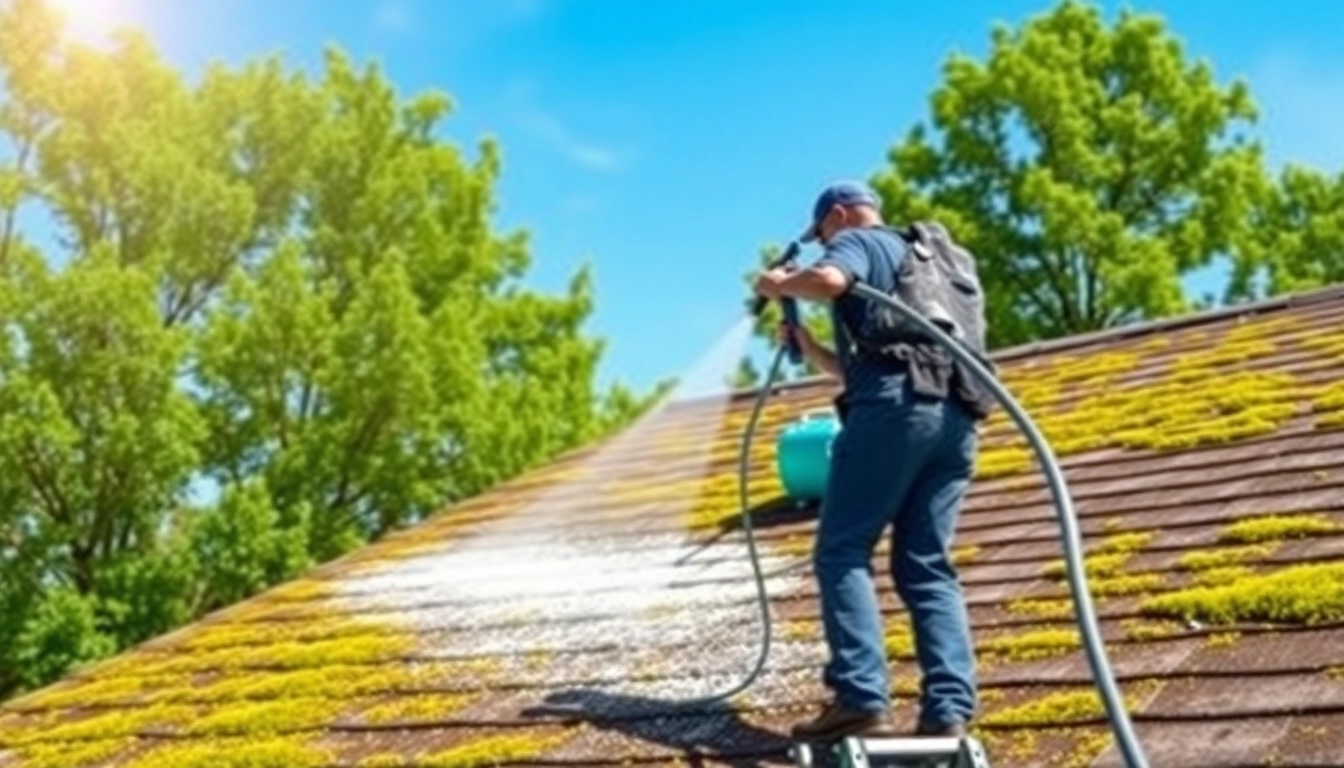
Soft washing is generally recommended for cleaning roofs due to its gentler approach. Unlike pressure washing, which can forcibly remove contaminants but may also damage roofing materials, soft washing utilizes low-pressure water along with specialized cleaning solutions. This method protects the integrity of the roof while effectively removing dirt and growth. Pressure washing can be appropriate in limited conditions, but the risk of damage makes it less desirable for most roof types.
Eco-Friendly Cleaning Solutions
In an age focusing on sustainability, many roof cleaning professionals offer eco-friendly cleaning solutions. These biodegradable products minimize environmental impact while still being effective at removing contaminants. Homeowners should inquire about the cleaning products used by their service provider to ensure they align with their values regarding environmental stewardship.
Factors Influencing Cleaning Technique Choice
Several factors influence the choice of roof cleaning technique, including the type of roofing material (e.g., shingles, tiles, metal), the extent of contamination, and environmental considerations. Each roof type has unique care requirements, and professionals can tailor their approach to ensure the best results without compromising the material.
Preparing for a Roof Cleaning Service
Preparation is key to ensuring a smooth roof cleaning process. By knowing what to expect and how to prepare your property, you can help the service provider achieve the desired outcomes.
Questions to Ask Your Service Provider
Prior to scheduling a roof cleaning service, it is important to ask relevant questions, such as: What methods will you use? Are your cleaning products safe for my plants? Do you have insurance? Additionally, verifying the service provider’s credentials and experience can ensure that you’re hiring a competent professional.
What to Expect During the Process
During a typical roof cleaning service, the professional will assess the roof, apply the cleaning solution, and rinse as necessary. Depending on the amount of contamination, there may be multiple application and rinsing stages. Homeowners should be aware of the safety protocols in place to protect not only their property but also the workers involved.
Scheduling Considerations for Best Results
Timing can significantly affect cleaning results. Ideally, roof cleaning should be scheduled during dry weather conditions. This allows the cleaning solution to work effectively without being washed away by rain. Furthermore, it is recommended to schedule cleaning during spring or fall to minimize the risk of damaging a roof during extreme weather conditions.
Costs Associated with Roof Cleaning
The costs associated with roof cleaning can vary widely, depending on several factors. Understanding these costs can help homeowners budget for this maintenance task accordingly.
Average Pricing for Roof Cleaning Services
On average, roof cleaning services can range from a few hundred to a thousand dollars, depending on the size of the roof and the level of cleaning required. Smaller roofs may cost around $300, while larger or more complex roofs can exceed $1,000. It’s advisable for homeowners to obtain quotes from multiple service providers to find the best option for their budget.
Factors Affecting Roof Cleaning Costs
Several factors can influence the cost of roof cleaning, including roof pitch and accessibility, extent of contamination, geographic location, and additional services such as gutter cleaning or maintenance checks. Understanding these factors can help homeowners gauge the quotes they receive.
Potential Savings Through Regular Maintenance
Investing in regular roof cleaning can lead to long-term savings. By preventing major damage through maintenance, homeowners can avoid costly repairs in the future. Moreover, a clean roof can enhance energy efficiency, potentially lowering heating and cooling costs.
Maintaining a Clean Roof Post-Cleaning
After a roof cleaning, ongoing maintenance is critical to maintaining that fresh look and extending the life of the roof.
Ongoing Maintenance Tips
Regularly inspecting your roof for debris buildup can help maintain cleanliness. Clearing leaves and branches after storms, ensuring proper drainage, and performing routine inspections can prevent contaminants from establishing themselves again. Each of these actions contributes to a longer-lasting and aesthetically pleasing roof.
Signs Your Roof Needs Cleaning Again
Homeowners should be vigilant for signs that their roof needs cleaning again, such as visible discoloration, moss or algae growth, or clogged gutters. Spotting these indicators early can prompt timely cleaning, ensuring the longevity and health of the roof.
Choosing the Right Time for Roof Cleaning
As discussed earlier, scheduling a roof cleaning during appropriate weather conditions is essential. Ideally, homeowners should aim for cleaning every 1-2 years, depending on environmental factors and the specific contaminants affecting their roof.
FAQs about Roof Cleaning
How often should I have my roof cleaned?
Generally, roofs should be cleaned every 1-2 years, depending on the type of roofing material, local climate, and environmental conditions affecting your area.
Can I clean my roof myself?
While DIY options exist, it's often safer and more effective to hire professionals trained in roof cleaning to avoid potential damaging methods.
What happens if I don't clean my roof?
If not cleaned, contaminants can lead to premature aging of roofing materials, increased energy costs, and even structural damage that requires expensive repairs.
Are there any risks involved in roof cleaning?
Risks include potential damage to the roof, slipping, and falling during the process. Hiring professionals minimizes these risks as they utilize appropriate safety equipment and techniques.
What are the signs that my roof needs cleaning?
Common signs include visible moss or algae growth, dark stains, and clogged gutters. Keeping an eye on these indicators can help maintain roof integrity.