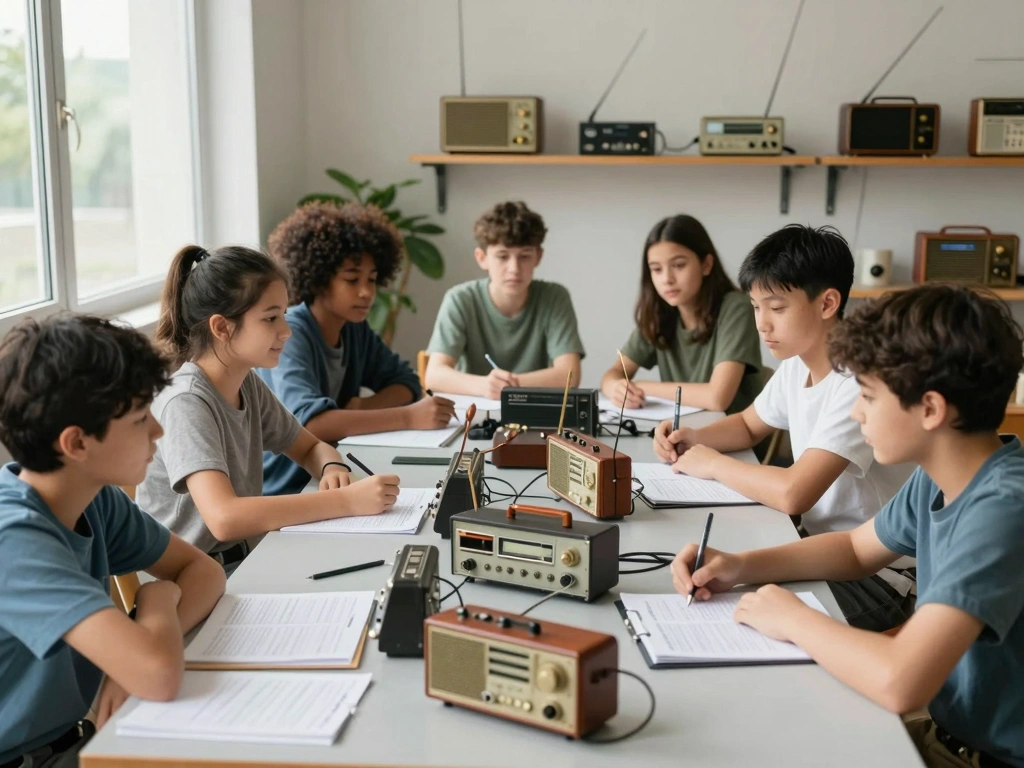
Introduction to Screen-Free Play
In our increasingly digitized world, children are growing up surrounded by screens. From smartphones to tablets and gaming consoles, it is easy for kids to become engrossed in screen time. However, encouraging screen-free play offers numerous advantages for a child's emotional, physical, and mental development. Reducing screen time leads to healthier habits and fosters creativity and socialization among peers. Engaging in hands-on, imaginative activities can help children thrive. learn more today about the benefits of screen-free interaction.
The Importance of Reducing Screen Time
Research has indicated that excessive screen time can hinder children’s cognitive development and social skills. The American Academy of Pediatrics recommends limiting screen time to a maximum of one hour per day for ages 2 to 5, and for children under 2, screen time should be avoided altogether except for video chatting. Reducing screen time allows children to engage in more meaningful, creative activities that promote independence and resilience.
Why Screen-Free Toys Matter
Screen-free toys are essential for encouraging creativity and imagination among children. They stimulate tactile senses and foster interaction with the physical environment. Unlike screens, which can lead to passivity, screen-free toys require active engagement from children, helping them develop problem-solving skills, critical thinking, and fine motor skills. When children use toys that are not screen-based, they learn to collaborate, share, and negotiate, boosting their social abilities.
Benefits of Creative Play for Children
Creative play is crucial in a child’s early years and has myriad benefits. It aids in developing language skills, boosts self-confidence, and encourages social development. Engaging in imaginative play promotes empathy as children act out scenarios and roles. Furthermore, through creative expression, children learn to articulate their feelings and thoughts, providing them a foundation for emotional intelligence.
Types of Screen-Free Toys
Building and Construction Toys
Building and construction toys, such as blocks and geometric shapes, are excellent tools for stimulating a child’s imagination. These toys promote spatial awareness and fine motor skills as children fit pieces together. Construction sets and model kits encourage children to delve into engineering concepts while developing patience through trial and error, which are important skills in problem-solving. Moreover, they can inspire collaborative efforts among peers, spurring teamwork.
Art and Craft Supplies
Art and craft supplies, including paints, clay, and drawing materials, unlock creativity in children. Crafting allows children to express themselves freely, making decisions that boost their self-esteem. These art activities also improve hand-eye coordination and can serve as a relaxation technique for young minds. Providing a space for art and crafts can lead to hours of engagement and discovery, turning a simple idea into an accomplished masterpiece.
Role-Playing and Imaginative Toys
Role-playing toys, such as dolls, action figures, and playsets, enable children to explore various scenarios and develop rich narratives. Such toys help improve verbal communication, enhance social skills, and foster imagination. By embodying different characters, children experience empathy and understanding of diverse perspectives. Imaginative play also contributes to emotional processing, allowing them to explore feelings in a safe environment.
How to Choose the Right Toys
Age Appropriateness for Development
When selecting screen-free toys, it is vital to consider age appropriateness. Toys should match the developmental stage of your child to ensure engagement and avoid frustration. For instance, younger children benefit from larger, simpler toys that promote sensory exploration, while older children may seek more complex puzzles and construction sets that challenge their thinking skills. Reviewing age recommendations on packaging can guide your choices.
Safety Features to Look For
Safety is paramount when choosing toys. Always select toys made from non-toxic and durable materials. Additionally, check for any small parts that could pose a choking hazard, especially for younger children. Certifications such as ASTM International or EN71 ensure that toys meet safety standards. Prioritizing safe materials helps create a secure play environment, making playtime worry-free for both children and parents.
Versatility and Educational Value
Opt for toys that offer versatility and educational value. Toys that can serve multiple purposes or grow with your child encourage prolonged interest and engagement. Look for toys that inspire creativity and problem-solving, such as building sets that require critical thinking or art supplies that foster creative expression. Educational toys can incorporate learning in math, science, or literacy while still being entertaining.

Creative Ways to Engage Your Kids
Organizing a Playdate with Screen-Free Activities
Playdates can be an excellent opportunity for children to bond and engage in screen-free activities. Plan a mix of arts and crafts, games, and outdoor adventures. For instance, set up a crafting corner where kids can create artworks, or hold a mini Olympic-style competition outdoors. Facilitating fun and engaging screen-free activities during playdates helps inspire cooperation among children while building friendships.
Setting Up a Craft Station at Home
Establishing a dedicated craft station can significantly enhance creative play. Keep various supplies within reach, such as markers, papers, glue, and assorted craft materials, organized in clear bins for easy access. Encourage kids to invent their projects using recycled materials or prompts for inspiration. A steady craft space allows for spontaneous creativity and serves as a catalyst for exploration and artistic experimentation.
Taking Play Outdoors: Ideas for Fun in Nature
Nature offers endless opportunities for screen-free play. Organize outdoor treasure hunts, nature scavenger hunts, or simply let kids explore their environment through carefree play. Outdoor play promotes physical activity and connects children with the natural world, fostering an appreciation for their surroundings. Provide tools for digging, collecting, or creative activities like flower pressing, turning the outdoors into an expansive play area.
Frequently Asked Questions (FAQs)
What are some benefits of screen-free play for my child?
Screen-free play promotes creativity, enhances problem-solving skills, and improves social interactions among kids.
How can I encourage my child to play without screens?
Provide access to a variety of toys, set limits on screen time, and engage in play together to inspire creativity.
Are all screen-free toys safe for children?
Look for non-toxic materials and ensure toys are age-appropriate to guarantee safety during play.
Can screen-free toys be educational?
Yes, many screen-free toys promote learning, such as construction sets that develop spatial awareness.
How many toys should I have for my child?
Focus on quality over quantity; having a few versatile and engaging toys can be more beneficial than possessing many.