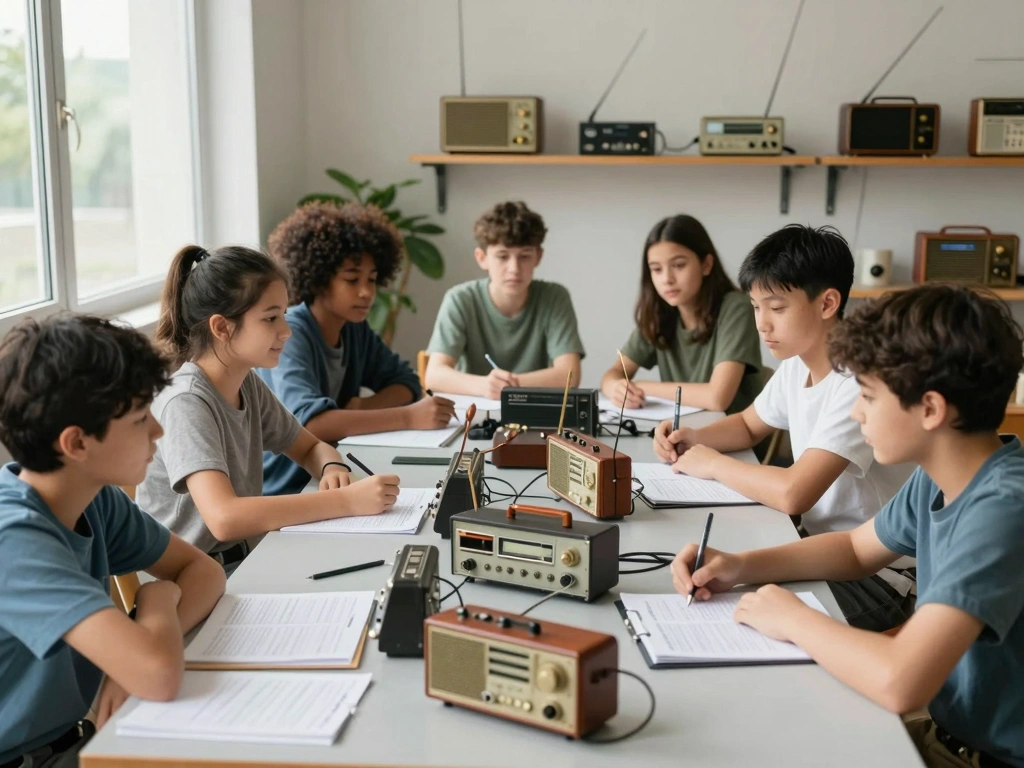
The Importance of Screen-Free Play
In today's digital age, children are increasingly immersed in screens, from smartphones to tablets and televisions. While technology offers valuable learning tools, the benefits of creativity, imagination, and social skills gained from screen-free play are irreplaceable. Emphasizing screen-free activities can significantly enhance a child's developmental landscape. Understanding the profound implications of reducing screen time can lead parents to make informed choices when seeking ways to engage their children. For insights and ideas on keeping kids busy creatively, learn more today.
Benefits of Reducing Screen Time
Reducing screen time offers a multitude of benefits for children. Key advantages include:
- Improved Focus: Children often experience enhanced concentration and attention span when involved in screen-free activities. This can translate into better learning outcomes.
- Better Sleep Patterns: Limiting screens, especially before bedtime, can help children develop healthier sleep habits, leading to overall better health and mood stability.
- Physical Health: Engaging in play away from screens encourages physical activity, thereby promoting healthy development and reducing the risk of childhood obesity.
Encouraging Creativity in Children
Screen-free play fosters creativity as children engage their imaginations in ways that digital platforms cannot provide. Activities such as drawing, building, and role-playing allow kids to express themselves freely and generate original ideas. When children are immersed in open-ended play, they learn to think outside the box, devise solutions to problems, and utilize resources creatively. This kind of development is critical not only for artistic expression but also for developing essential life skills.
Enhancing Social Interaction Through Play
Screen-free activities often require interaction with peers or family members, enhancing social skills and emotional intelligence. Children learn to negotiate, share, and collaborate while playing games or engaging in group projects. This collaborative environment fosters empathy and communication skills, essential for building healthy relationships. Furthermore, engaging in these activities promotes a sense of community and belonging among children.
Types of Screen-Free Toys
When considering options for engaging children without screens, many types of toys can provide a stimulating and enjoyable experience. Here are several effective categories:
Hands-On Building Toys
Building toys, such as blocks, LEGO sets, and construction kits, provide fantastic opportunities for children to explore engineering concepts and encourage spatial awareness. Through hands-on construction play, kids develop problem-solving abilities, fine motor skills, and patience. The act of creating something from scratch not only instills a sense of accomplishment but also promotes critical thinking as children visualize their ideas and implement them in physical form.
Artistic and Craft Supplies
Art supplies such as colored pencils, paints, clay, and craft kits offer kids an outlet for self-expression. Engaging in creative activities helps children articulate feelings, tell stories, and showcase their unique perspectives. Materials can be used for various projects, including painting, sculpting, or crafting collages, allowing endless opportunities for invention. Artistic endeavors are akin to exercise for the brain; they encourage divergent thinking and inspire innovations.
Outdoor Play Equipment
Outdoor toys and equipment, including swings, slides, bikes, and sports gear, encourage children to explore the outdoors, stay active, and develop motor skills. Natural environments foster curiosity and inspire imaginative play, from pretending to be adventurers in a backyard jungle to organizing games of tag. These activities promote both physical fitness and a connection with nature, crucial for holistic development.
How to Choose the Right Screen-Free Toys
Selecting appropriate screen-free toys for children involves careful consideration of several factors to ensure optimal engagement and safety.
Age-Appropriate Options for Different Kids
Choosing age-appropriate toys is crucial because it affects how well children can use them. For younger children, consider toys that encourage basic motor skills, like large building blocks, soft art supplies, or shape sorters. For older children, more complex construction sets, board games, and interactive craft kits can stimulate creativity and cognitive skills. Always check age recommendations on packaging to ensure safe, suitable options.
Considerations for Safety and Durability
When selecting toys, prioritize safety by choosing those made from non-toxic materials and avoiding small parts that can pose choking hazards. Durability is equally important, as children can be rough on their toys. Investing in quality toys can save money in the long run and make the play experience more fulfilling. Read reviews or consult trusted sources to gauge the performance and safety of different products.
Balancing Fun with Educational Value
Finding toys that combine enjoyment with educational benefits is essential. Look for toys designed to teach skills in STEM (Science, Technology, Engineering, and Mathematics), language development, or artistic expression. Toys that incorporate problem-solving, creativity, and social interaction will keep children engaged while promoting invaluable learning experiences essential for their growth.

Tips for Encouraging Screen-Free Playtime
To maximize the benefits of screen-free play, consider implementing the following tips to create an enriching environment:
Setting Up a Creative Play Space
Designate an area in your home specifically for creative activities. This space should be filled with various age-appropriate toys, art supplies, and building materials. A dedicated space minimizes distractions and encourages children to immerse themselves in play. Keep it organized but allow for a certain degree of mess, as exploration often includes experimentation.
Organizing Playdates with Screen-Free Activities
Engagement is amplified when children play together. Organize playdates that prioritize screen-free activities, focusing on games, art projects, or DIY science experiments. This social interaction not only helps children bond but also enhances cooperative play skills, empathy, and conflict resolution through shared experiences.
Incorporating Family Game Nights
Establish a family game night to encourage bonding and screen-free engagement. Board games, card games, and collaborative building projects can foster teamwork and create cherished family memories. Involving everyone in different activities encourages kids to broaden their interests and enjoy collective experiences.
FAQs About Screen-Free Toys
What are the best screen-free toys for toddlers?
Choose toys like shape sorters, colorful blocks, and simple art supplies to enhance their motor skills and creativity.
How can screen-free play benefit children's development?
It encourages creativity, improves social skills, and supports cognitive development by engaging their imagination and problem-solving.
Are there screen-free toys for older kids?
Yes, consider building sets, puzzles, or craft kits that challenge their skills and promote teamwork and creativity.
How much screen time should kids have?
Guidelines suggest limiting recreational screen time to no more than 1-2 hours a day depending on the child's age and activity level.
Can screen-free toys be educational?
Absolutely! Many screen-free toys are designed to promote STEM learning, arts, and critical thinking through hands-on play.