Understanding Car Detailing Basics
What is Car Detailing?
Car detailing is a comprehensive process that involves cleaning, polishing, and protecting your vehicle from contamination, imperfections, and deterioration. Unlike a regular car wash, which generally focuses on the exterior, detailing addresses both the interior and exterior surfaces with specialized products and techniques. This meticulous approach ensures that every nook and cranny is addressed, offering a superior finish and protection.
The Importance of Proper Tools
Having the right tools is critical for effective car detailing. Not only do high-quality tools ensure that you achieve the best results, but they also help protect your vehicle from potential damage caused by incorrect cleaning methods. From microfiber towels to specialized brushes, the right tools enhance efficiency and effectiveness, making the detailing process enjoyable rather than frustrating.
Key Differences: Wash vs. Detail
The primary difference between washing and detailing lies in the level of care and products used. While car washing typically involves soap and water for surface cleaning, detailing employs a variety of products tailored to the material and surface type involved. Detailing also delves deeper into restoration, including waxing, polishing, and even interior shampooing. A good understanding of these differences will help you ensure that you provide your vehicle with the care it truly deserves.
What Products Do I Need to Detail My Car: The Essentials
Cleaning Solutions: Soaps and Sprays
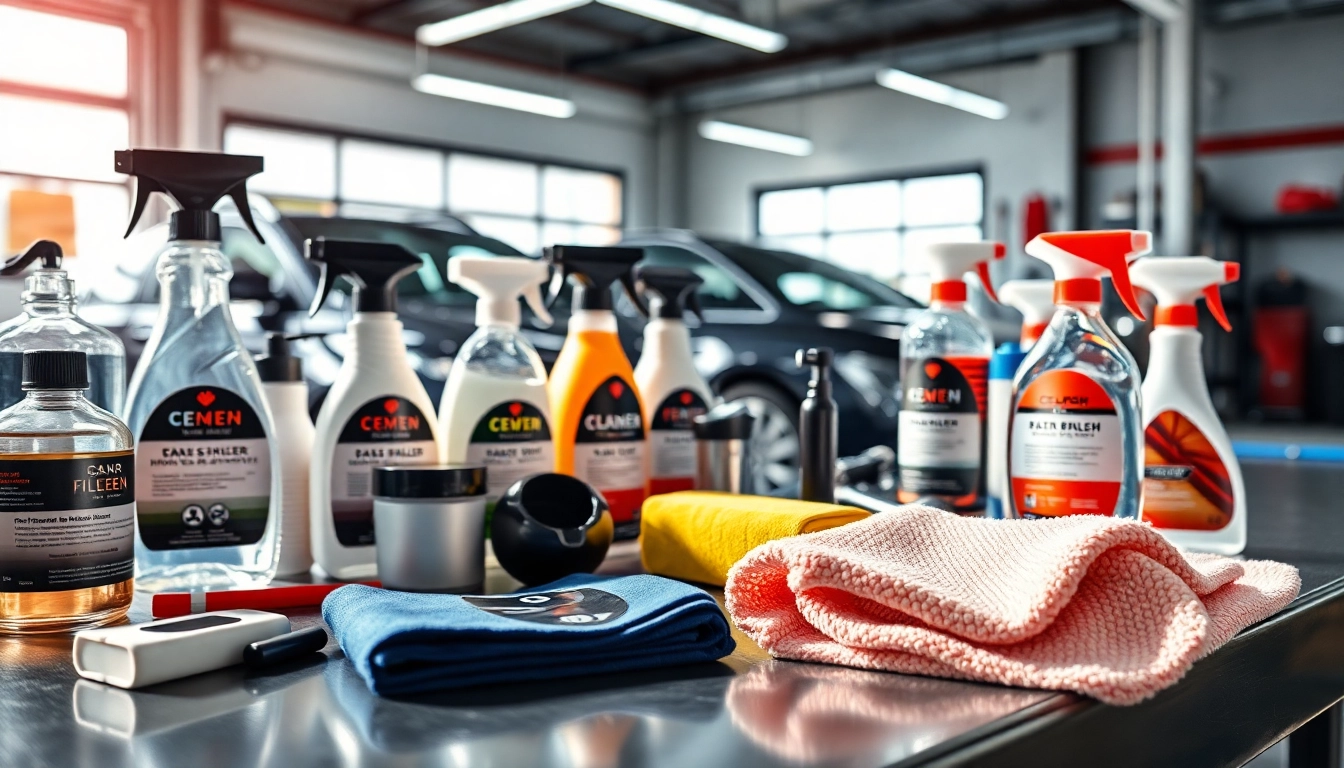
When it comes to what products do I need to detail my car, the foundation starts with cleaning solutions. A high-quality car wash soap is essential for safely removing dirt and grime without stripping protective coatings. Look for pH-balanced soaps designed to preserve wax or sealant. Other cleaning solutions might include all-purpose cleaners for surfaces and glass cleaners that are streak-free and effective.
Microfiber Towels: Why Quantity and Quality Matter
Microfiber towels are a key component in any detailing kit. They are gentle on the surface, absorb more moisture than regular towels, and help prevent scratches. Invest in a variety of microfiber towels of different types—some for washing, some for drying, and others specifically for applying wax or polishing products. Having multiple towels ensures you always have a clean one on hand, which is vital for maintaining a scratch-free finish.
Tools for Different Surfaces: Brushes and Applicators
Different surfaces require different tools for optimal detailing. Soft-bristled brushes can safely clean wheels without scratching, while applicator pads made of foam or microfiber are perfect for applying waxes and polishes. For upholstery cleaning, consider small detailing brushes to reach tight areas. Understanding how to choose and employ these tools can significantly improve the overall quality of your detailing work.
Safety and Protection: Essential Products
Choosing the Right Wax and Sealants
Protection is as important as cleaning. High-quality waxes and sealants help shield the paint from harsh environmental elements such as UV rays, dirt, and water spots. Waxes provide a glossy finish, while sealants offer long-lasting protection. Choose a product that aligns with the desired finish and longevity, and familiarize yourself with application techniques to maximize the benefits.
Interior Protection: Leather Conditioners and Upholstery Cleaners
Just as the exterior requires protection, the interior must be maintained as well. Leather conditioners help prevent cracking and fading, while upholstery cleaners remove spills and stains effectively. Regular application of these products will keep your interior looking fresh and extend the life of your vehicle’s materials.
Glass and Surface Protectants
Protecting glass surfaces is equally important to ensure visibility and safety. Glass protectants create a barrier against rain and dirt, making it easier to clean and maintain. Additionally, surface protectants for plastics and wheels can add a layer of shine while preventing dirt and grime buildup, reducing the frequency of cleaning required.
Advanced Techniques in Car Detailing
Paint Correction Products and Techniques
For car enthusiasts looking to take their detailing to the next level, paint correction is an essential skill. This process involves using a machine polisher and specialized pads to remove imperfections such as swirl marks or scratches from the paint. Familiarity with different compounds and polishes, along with understanding paint types, enables detailers to restore paint to a like-new condition.
Steam Cleaning for Interior Spaces
Steam cleaning is an exceptional technique for deep cleaning without the use of harsh chemicals. This method effectively removes dirt, bacteria, and grime from all surfaces, including hard-to-reach areas. Investing in a quality steam cleaner can vastly improve the thoroughness of interior detailing, especially for fabric and upholstered surfaces.
Eco-Friendly Options for Detailing
With growing environmental concerns, many detailers are opting for eco-friendly products. Biodegradable cleaning products that perform effectively without harmful chemicals are increasingly available. When choosing eco-friendly options, ensure they meet both your cleaning performance standards and your commitment to environmental responsibility.
Maintaining Your Tools and Products
Storage Solutions for Detailing Products
Proper storage of your detailing products is essential to maintain their effectiveness and extend their shelf life. Use clearly labeled bins or shelves in a controlled environment—avoid exposing products to extreme temperatures or direct sunlight, as this can lead to degradation. Consider investing in a rolling cart for easy access to your regularly used tools and products.
Cleaning and Caring for Your Tools
Maintaining the integrity of your tools prolongs their lifespan and ensures optimal results. Rinse brushes and applicators after each use, and store them in a clean, dry place. Microfiber towels should be washed without fabric softeners, and each type should be washed separately to avoid cross-contamination of cleaning agents.
Proper Disposal of Chemical Products
Responsible disposal of expired or unused products is crucial for both safety and environmental protection. Check local regulations regarding hazardous waste disposal or recycling programs. Many automotive supply stores also offer take-back programs for their products, allowing you to dispose of them safely and responsibly.
Frequently Asked Questions
What do I need to fully detail a car?
Your kit should include car cleaning spray, microfiber cloths, upholstery shampoo, vacuum, hose nozzle, tire brush, tire shine, and wax.
Can I detail my car without professional products?
Yes, you can use home-grade products, but professional products often yield better results and are formulated for safety and effectiveness.
How often should I detail my car?
It depends on usage and conditions, but a thorough detail every 3-6 months, combined with regular washes, is generally recommended.
What products are best for interior detailing?
Key products include all-purpose cleaner, microfiber towels, upholstery cleaner, and a quality vacuum to effectively remove dirt and dust.
Are there eco-friendly detailing options available?
Yes, many brands offer biodegradable cleaning products and conditioners that are gentle on the environment yet effective for car detailing.