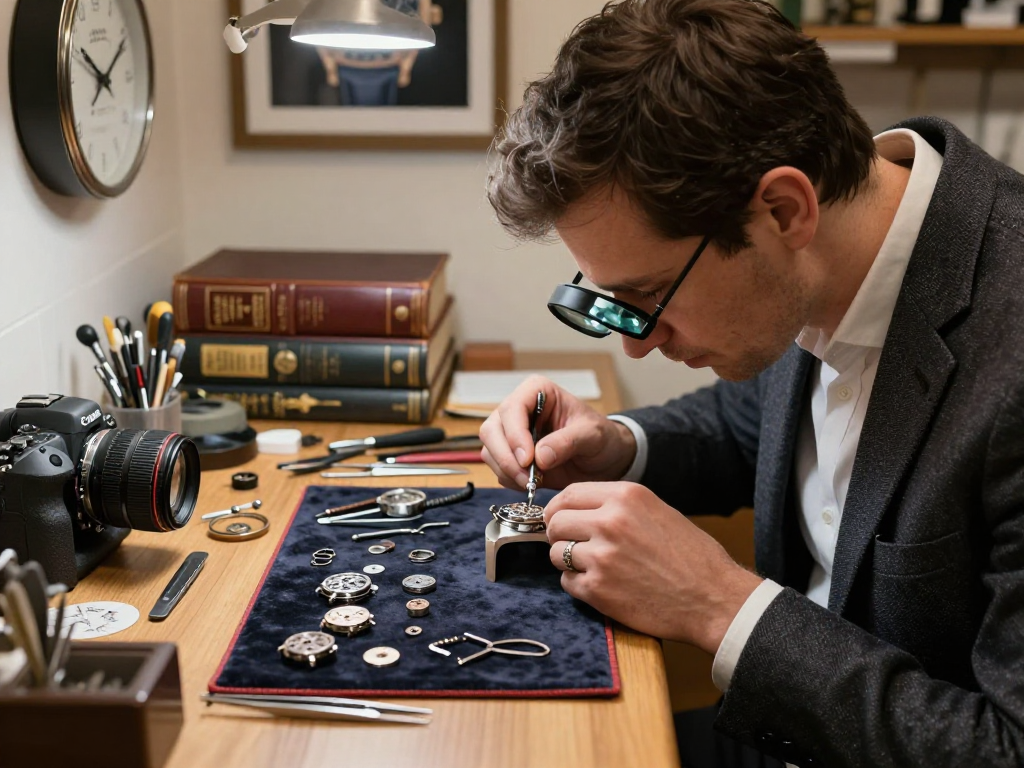
Understanding 3135 Movement Parts
The 3135 movement is widely regarded as one of the most reliable automatic watch movements in the luxury watch industry. Developed by Rolex, this movement is known for its durability, accuracy, and ease of service. For watchmakers, understanding the intricacies of 3135 movement parts is essential for successful repairs and restorations. In this section, we will explore the definition of 3135 movement parts, their key components, and the importance of quality in watchmaking.
What are 3135 Movement Parts?
3135 movement parts refer to the individual components that make up the Rolex 3135 automatic movement. This movement features various parts, such as the mainspring, escapement, and rotor, all of which are intricately designed to ensure optimal performance. Understanding these parts is crucial for any watchmaker looking to service or repair watches that utilize this movement, particularly since Rolex is known for its high standards of craftsmanship and quality assurance.
Key Components of the 3135 Movement
The 3135 movement is composed of several key components that work together seamlessly. Some of the most critical parts include:
- Mainspring: This component stores energy and powers the watch. It is wound either by the motion of the wrist or manually.
- Escapement: This regulates the release of energy from the mainspring, allowing the watch to keep accurate time.
- Rotor: A semi-circular weight that swings with wrist motion to wind the mainspring automatically.
- Balance Wheel: This oscillates to divide time into equal parts, ensuring precision.
- Gear Train: A series of gears that transmit energy from the mainspring to the escapement and hands.
Each of these parts is engineered to the highest standards, contributing to the overall reliability of the movement.
Importance of Quality in Movement Parts
In the world of horology, the quality of movement parts plays a crucial role in determining a watch's performance and longevity. High-quality materials, precise manufacturing methods, and rigorous quality control are essential to ensure that each component functions optimally. For watchmakers, using genuine 3135 movement parts is vital because counterfeit or subpar components can lead to malfunctions, decreased accuracy, and, ultimately, dissatisfaction from clients. The reputation of a watchmaker often hinges on the quality of the parts they use, making this an essential consideration.
Challenges in Sourcing 3135 Movement Parts
While the 3135 movement is renowned for its precision, sourcing authentic parts can pose a challenge for many watchmakers. The market is flooded with both genuine and counterfeit components, making it difficult to identify quality sources. This section delves into common misconceptions about authenticity, how to identify reputable suppliers, and methods to overcome availability issues.
Common Misconceptions About Authenticity
One common misconception is that all parts labeled as “genuine” are authentic. In reality, counterfeit parts can be labeled misleadingly, making it essential for watchmakers to educate themselves on identifying authentic 3135 movement parts. Knowledge of the specific characteristics of genuine parts, such as engravings, dimensions, and material quality, is crucial to avoid being misled.
Identifying Reputable Suppliers
Finding trustworthy suppliers for 3135 movement parts can be daunting. When searching for parts, watchmakers should consider the following tips:
- Seek suppliers with a verified reputation within the watchmaking community.
- Look for reviews and testimonials from other professionals.
- Inquire about the provenance of the parts and their certification.
- Attend watch fairs and expos to build relationships with reputable vendors.
Overcoming Availability Issues
Another challenge is the limited availability of certain parts, especially in niche markets. Watchmakers may consider establishing long-term partnerships with suppliers to secure a consistent flow of necessary parts. Additionally, investing in inventory management can help ensure that critical components are always on hand, facilitating timely repairs and reduced downtime for clients.
Best Practices for Handling 3135 Movement Parts
Handling 3135 movement parts requires precision and care. This section outlines essential tools, techniques for accurate installation, and maintenance practices that can help watchmakers ensure the longevity of these components.
Tools Needed for Assembly and Repair
To work effectively with 3135 movement parts, watchmakers need the proper tools. Essential tools include:
- Watchmaker's Screwdrivers: Fine screwdrivers to handle delicate screws.
- Case Openers: Tools designed to safely open the watch case without damaging it.
- Movement Holder: A stable platform to secure the movement during repair.
- Tweezers: High-precision tweezers for manipulating small components.
- Loupe: A magnifying glass to inspect small parts closely.
Techniques for Accurate Installation
When installing 3135 movement parts, accuracy is paramount. Watchmakers should follow these techniques:
- Double-check the orientation of each part before installation.
- Use proper lubrication on moving components to prevent wear.
- Ensure that bolts and screws are tightened to the manufacturer's specified torque.
- Test the movement function after every major assembly step.
Maintaining and Servicing Movement Parts
Regular maintenance is crucial for ensuring the longevity of 3135 movement parts. Watchmakers should establish a servicing schedule that includes:
- Routine cleaning and oiling of movement parts.
- Regular inspection for wear and tear, especially on high-friction areas.
- Calibration checks to ensure the watch remains accurate over time.
Real-World Applications and Case Studies
The practical applications and real-world successes of using the 3135 movement illustrate its significance in the watchmaking community. In this section, we will highlight notable timepieces that utilize the 3135 movement, share success stories from watchmakers, and discuss how this movement impacts watch performance and longevity.
Notable Timepieces Using the 3135 Movement
Several iconic Rolex models feature the 3135 movement, including:
- Rolex Submariner: Known for its robustness and reliability, making it a favorite among divers.
- Rolex GMT-Master II: Renowned for its dual-time zone functionality, valued by travelers.
- Rolex Datejust: A classic piece recognized for its timeless elegance and versatility.
Each of these timepieces showcases the exceptional performance and craftsmanship associated with the 3135 movement.
Success Stories from Watchmakers
Many watchmakers have shared their success stories in utilizing 3135 movement parts. For instance, a local watchmaker reported a significant increase in customer satisfaction after implementing genuine parts in repairs, noting enhanced reliability and performance. Testimonials like these reinforce the importance of sourcing authentic components.
Impact on Watch Performance and Longevity
The use of high-quality 3135 movement parts has a direct impact on watch performance and longevity. Watches that are well-maintained with genuine parts tend to experience less downtime, offer improved accuracy, and exhibit greater resistance to wear. This reliability not only boosts the reputation of watchmakers but also fosters client loyalty and trust.
Future Trends for Watch Movements in 2026
The watchmaking industry is continually evolving, with innovative technologies and design philosophies shaping the future of movements. In this section, we explore potential innovations in watchmaking technology, predictions for movement design, and the integration of smart technologies with traditional movements.
Innovations in Watchmaking Technology
As we approach 2026, several technological advancements are poised to transform the industry. Innovations such as enhanced materials for movement parts, including lightweight titanium and advanced ceramics, promise increased durability and performance. Furthermore, advancements in manufacturing technologies like 3D printing are paving the way for more precise and complex component designs.
Predictions for Movement Design
Future movement designs are expected to focus on energy efficiency and miniaturization while maintaining robustness. Watchmakers may see the introduction of innovative escapements that offer improved accuracy while reducing wear and tear. Additionally, customizable movements tailored to specific user needs may gain popularity, providing unique selling points for brands.
Integrating Smart Technologies with Traditional Movements
The fusion of smart technologies with traditional movements is another exciting trend on the horizon. Hybrid watches that combine analog displays with digital functionalities could offer users enhanced features without sacrificing the classic aesthetics of a high-quality timepiece. This trend towards integration will attract new customers while retaining traditional watch enthusiasts.
What are the benefits of using 3135 movement parts?
Utilizing 3135 movement parts ensures reliability, precision, and longevity for timepieces. These components are engineered to meet the highest standards, resulting in watches that perform effectively and maintain their value over time.
How can I identify authentic 3135 movement parts?
Identifying authentic parts requires knowledge of their specific characteristics, such as engravings and the quality of craftsmanship. Consulting reliable suppliers and utilizing genuine Rolex documentation can also aid in the verification process.
What tools are essential for working with watch movements?
Essential tools include watchmaker's screwdrivers, case openers, movement holders, tweezers, and loupes. These tools facilitate accurate assembly and maintenance of watch movements.
How do I maintain a watch with a 3135 movement?
Maintenance involves regular cleaning, lubrication, and calibration checks. Establishing a servicing schedule can help ensure optimal performance and longevity of the watch.
Are there upcoming trends in watch movement technology?
Future trends may include innovations in materials, movement design focusing on energy efficiency, and the fusion of traditional and smart technologies, setting the stage for exciting developments in the watch industry.