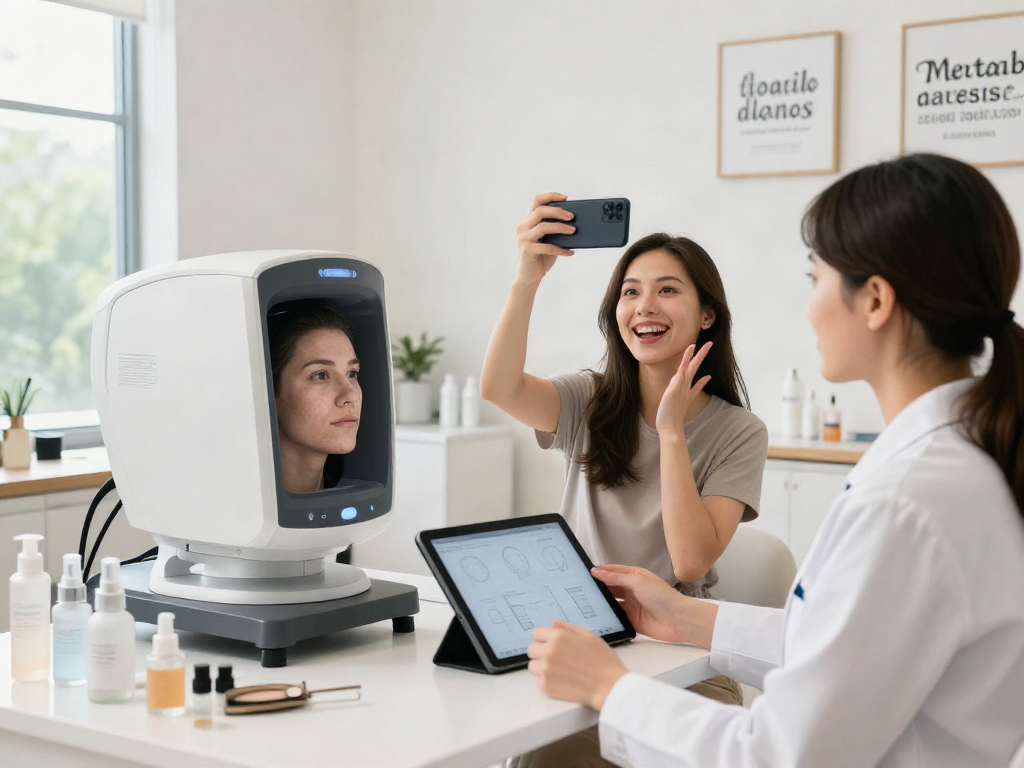
Understanding the Concept of Facial Age Estimation
Facial age estimation is an innovative technology gaining traction in the digital world, primarily fueled by advances in artificial intelligence (AI) and machine learning. With the increasing popularity of age prediction apps, many individuals are curious about how old they actually look compared to their biological age. This curiosity is not just a passing trend; it reflects deeper societal interests in self-perception and image. As these tools become more accessible, users want reliable insights into their facial age. For those looking to explore these avenues, platforms that allow you to how old do I look can provide fascinating and sometimes surprising results.
What is Facial Age Estimation?
Facial age estimation involves using algorithms and AI technology to analyze facial features and predict a person’s perceived age. This process typically includes assessing various factors, such as skin texture, wrinkles, and overall facial structure. By leveraging vast datasets comprised of images and demographic information, these tools can provide estimates with varying degrees of accuracy. Understanding the intricacies of this technology can enhance user experience and provide insight into how factors like genetics and lifestyle choices contribute to facial aging.
How Does AI Analyze Facial Features?
AI analyzes facial features through a combination of image recognition, machine learning, and deep learning techniques. Initially, the AI is trained on a large dataset that includes images of individuals along with their actual ages. This training allows the AI to identify patterns and features commonly associated with certain age groups. Key features include:
- Skin elasticity: As people age, their skin tends to lose elasticity, leading to sagging and wrinkles.
- Wrinkle formation: The presence and depth of wrinkles are significant indicators of aging.
- Facial volume: Loss of fat in the face can contribute to a more aged appearance.
- Complexion: Sun damage and age spots can signal older skin.
By analyzing these attributes, the AI can deliver an estimated age that reflects not just the biological age but also the perceived age based on societal standards of beauty and youth.
Applications of Age Prediction Technology
The applications for facial age estimation technology extend beyond mere curiosity. Here are a few notable areas where this technology is making an impact:
- Cosmetic Industry: Brands use age estimators to tailor marketing strategies and product recommendations based on targeted age demographics.
- Social Media: Many platforms integrate age estimation features, allowing users to interact with their audience in a more age-relevant manner.
- Aging Research: Scientists use these tools to study aging patterns across different populations, providing insights into health and longevity.
Why Knowing "How Old Do I Look" Matters
Understanding how old we appear can significantly impact self-esteem and social interactions. Age perception ties closely to societal standards and personal confidence, influencing how we view ourselves and how others perceive us. In today's image-driven culture, this topic has gained considerable traction, fueled by the proliferation of social media and digital selfies.
Self-Perception and Its Psychological Impact
The psychological implications of age perception are profound. Studies indicate that individuals who perceive themselves as younger than their actual age tend to exhibit higher levels of confidence and happiness. Conversely, those who feel they appear older may grapple with self-esteem issues. The question of “how old do I look” can therefore evoke a variety of emotional responses, making age estimation tools more than just a fun gadget; they serve as a window into how we perceive our identity.
Social Media Trends and Age Estimation
On social media platforms, trends often revolve around youthfulness and beauty, driving individuals to seek validation through age estimation tools. Users frequently share their results, sparking discussions and comparisons among friends. This trend not only fuels engagement but also reflects broader societal interests in aging, beauty standards, and self-acceptance.
Market Demand for Age Prediction Apps
The demand for age prediction applications has surged in recent years. With numerous free and paid options available, users are eager to obtain insights into their perceived age. This trend is indicative of a larger shift toward personalized technology, where individuals seek tailored experiences that resonate with their self-image and aspirations. As the technology improves, we can expect even broader applications and increased accuracy in age estimation features.
Choosing the Right Tools to Estimate Age
With a plethora of options available, it’s crucial to differentiate which age estimation tools provide genuine insights versus gimmicky results. Understanding key features and user experiences is essential for selecting a reliable application.
Comparative Analysis of Popular Age Estimator Apps
Several applications dominate the market for age estimation. Here is a comparative analysis of some of the most popular:
- FaceAge.ai: Known for its accuracy, this platform allows users to upload photos and receive detailed age assessments.
- Fotor: Offers quick age estimates with no need for sign-up, making it user-friendly and accessible.
- BeautyPlus: Fuses fun with functionality, providing users with entertaining yet insightful assessments of their age based on facial features.
Each of these apps provides different strengths, appealing to various user needs, whether for serious analysis or casual fun.
Key Features to Look for in Age Prediction Tools
When selecting an age estimation tool, consider these essential features:
- Accuracy: Look for apps that use AI with proven datasets for the best estimates.
- User Experience: A simple interface that is easy to navigate enhances the overall experience.
- Sharing Options: Consider whether the app allows you to share results on social media easily.
- Privacy: Ensure that the tool respects user privacy and handles data securely.
Privacy Considerations When Using AI Apps
As with many digital tools, privacy is a critical consideration. Always review the privacy policies of age prediction apps before use. Ensure that your data and photos are stored securely and not used for purposes beyond the app’s functionality. Awareness of these policies can help mitigate potential concerns about data breaches or misuse.
Best Practices for Engaging with Age Estimation Tools
To optimize your experience with age estimation tools, it’s essential to adopt best practices both in terms of usage and interpretation of results.
How to Use Age Estimation Apps Effectively
When using an age estimation app, it’s best to follow these tips:
- Use High-Quality Images: Clear and well-lit photos yield better results.
- Avoid Filters: Use images without filters or heavy edits for accurate assessments.
- Follow App Instructions: Each tool may have specific guidelines for optimal usage.
Interpreting Results: Understanding AI Feedback
Interpreting the results of your age estimation can be tricky. It’s crucial to remember that these tools provide estimates, not definitive answers. Individual factors—such as genetics, lifestyle, and even mood at the time of taking the photo—can influence these results. Consider the feedback as a fun insight rather than a serious judgment of your age.
Sharing Results: Navigating Social Media Etiquette
When sharing your age estimation results on social media, consider your audience. Humor and light-heartedness are generally welcomed, but be mindful of how others may perceive the topic of aging. Everyone responds differently to age discussions, so it’s best to foster an inclusive and respectful dialogue.
Future Trends in Facial Age Estimation Technology
The world of facial age estimation is not static; it is ever-evolving, promising exciting advancements in the coming years. As AI technology continues to develop, so too will the sophistication of age estimation tools.
Innovations to Expect in 2026 and Beyond
As we look to the future, several trends stand out in the realm of age estimation technology:
- Increased Personalization: Future apps could allow users to set preferences for comparing their age with various demographics.
- Improved Accuracy: Ongoing advancements in machine learning may greatly enhance estimation precision.
- Augmented Reality (AR) Integration: Expect tools that not only estimate age but enable users to visualize age progression over time.
AI Ethics and Impact on User Experiences
As the technology matures, ethical considerations will be paramount. Ensuring that AI algorithms are free from bias and deliver equitable results is crucial. As users become more aware of the implications of AI, companies will need to build trust by demonstrating their commitment to ethical standards.
How to Stay Current with Advancements in Technology
Staying informed about the latest advancements in facial age estimation technology entails following industry news, subscribing to relevant publications, and engaging with professionals in the field. Participating in online forums or attending conferences related to AI and facial recognition can also provide valuable insights.
What is the best app to find out how old I look?
The best app varies based on user preferences. FaceAge.ai and Fotor are often highlighted for their accuracy and user-friendliness, but individual experiences may vary.
Are age estimators based on real science?
Yes, age estimators are grounded in scientific research related to aging, including studies on facial features and their association with age.
How accurate are facial age estimation tools?
The accuracy of these tools can vary significantly based on the algorithms used and the quality of the training data. Generally, they provide a reasonable estimate but should not be viewed as definitive.
Can I trust AI to give me an accurate age estimate?
While AI can provide useful estimates, it's essential to remember that these are based on patterns and trends, not personal specificity. Individual results may differ.
What factors influence the results of age estimation?
Various factors can impact age estimation results, including genetics, environmental factors, lifestyle choices, and even the time of day the photo is taken. Understanding these influences can help contextualize the results you receive.