Understanding the Wifi Sprinkler Controller
As the world becomes increasingly aware of the need for sustainable living, innovations in gardening technology have emerged to meet these demands. One such advancement is the wifi sprinkler controller, which has transformed how we manage watering our gardens and landscapes. These intuitive devices not only automate watering schedules but also save water and promote healthier plants by ensuring that they receive the right amount at the right time.
What is a Wifi Sprinkler Controller?
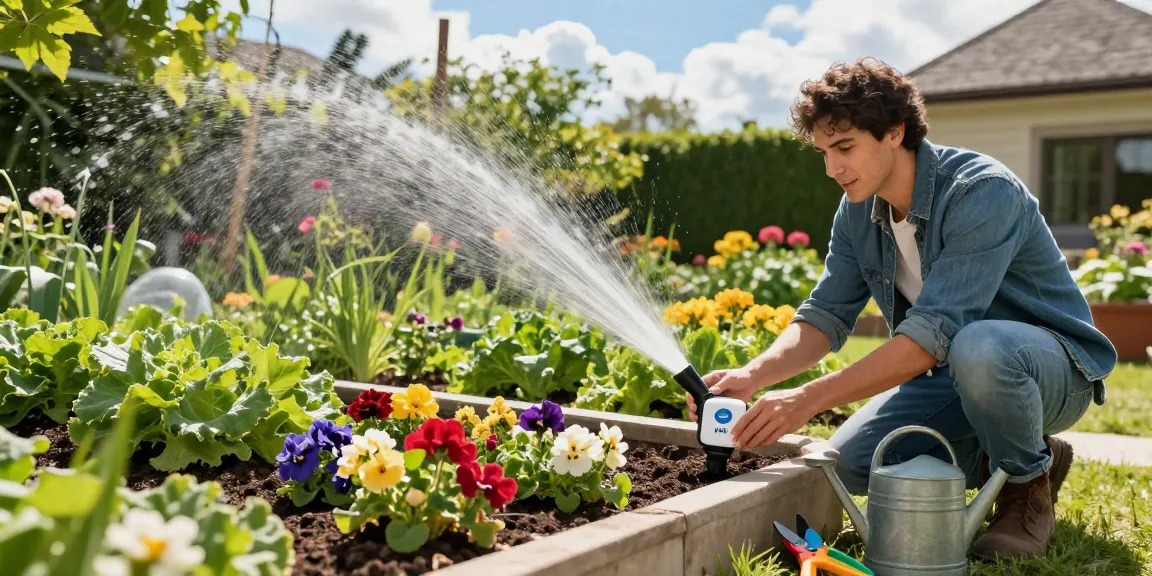
A wifi sprinkler controller is a smart irrigation system that allows homeowners to manage their watering schedules remotely via a mobile app. These devices connect to the home’s Wi-Fi network, enabling users to control their watering systems from anywhere. They are equipped with sensors that monitor soil moisture and weather conditions to optimize watering, making it easier than ever to keep gardens lush and vibrant.
Benefits of Using a Wifi Sprinkler Controller
- Water Savings: By tailoring watering schedules to actual weather conditions and soil moisture levels, wifi sprinkler controllers significantly reduce water waste.
- Convenience: With remote access via mobile apps, users can adjust schedules and settings on-the-go, ensuring plants are watered even when they are away from home.
- Plant Health: These devices provide precise control over watering amounts, promoting healthier plant growth and preventing over or under-watering.
- Data Insights: Many wifi controllers offer detailed analytics on water usage, allowing users to track their water consumption and make informed decisions.
Key Features to Look For
When selecting a wifi sprinkler controller, consider the following essential features:
- Mobile App Compatibility: Look for controllers that offer user-friendly apps for easy scheduling and monitoring.
- Soil Moisture Sensors: These sensors ensure that watering only occurs when necessary, based on real-time soil conditions.
- Weather Integration: Many advanced controllers can adjust schedules based on local weather forecasts, preventing irrigation during rain.
- Zone Control: If you have multiple garden areas, ensure that the controller can manage different zones independently to cater to their specific watering needs.
Getting Started with Your Wifi Sprinkler Controller
Unboxing and Initial Setup Guide
Once you receive your wifi sprinkler controller, the first step is to unbox and gather all components. Typically, you will find the main controller unit, user manual, power adapter, and possibly some connectors and hoses. Before setting it up, ensure that you have a Wi-Fi network available as this is crucial for the device's operation.
Connecting to Your Home Network
After unboxing, follow the manufacturer’s instructions for connecting the controller to your home Wi-Fi. This generally involves downloading the compatible mobile app, creating or logging into an account, and following the prompts to connect the controller. Make sure your smartphone is on the same network during this process to ensure a smooth setup.
Compatible Mobile Apps and Their Functionality
Most wifi sprinkler controllers come with dedicated mobile apps that provide extensive functionality. You can usually expect features such as real-time monitoring of soil moisture levels, customizable watering schedules, and notifications for maintenance or alerts regarding weather changes. These apps often allow users to set start and end times for watering, select the duration, and even manage multiple zones
Configuring Your Watering Schedule
Creating Customized Watering Timers
A key advantage of wifi sprinkler controllers is their ability to create customized watering schedules. Users can define when and how long to water specific garden zones, considering factors such as plant types and sunlight exposure. For example, shaded areas may require less frequent watering than sunlit patches. Adjusting these timers based on seasonal changes can also enhance plant health, allowing for deeper root growth and resilience.
Adjusting Settings Based on Seasonal Changes
As seasons change, so do the watering needs of your plants. It's crucial to revisit and adjust your watering settings accordingly. In the spring and summer months, when plants actively grow, you may need to increase watering frequency and duration. Conversely, during late fall and winter, the frequency can be reduced significantly. By staying proactive about these changes, you’ll ensure your garden remains healthy throughout the year.
Using Weather Sensors for Smart Irrigation
Many modern wifi sprinkler controllers come equipped with weather sensors that allow for smart irrigation decisions. These sensors can detect rainfall and adjust the watering schedule automatically, preventing unnecessary watering during wet conditions. This feature not only conserves water but also supports the overall health of your garden by avoiding over-saturation of the soil.
Maintaining Your Wifi Sprinkler Controller
Routine Checks and Troubleshooting Common Issues
Regular maintenance of your wifi sprinkler controller is essential to ensure optimal performance. This may include checking for any clogged nozzles or hoses, inspecting the main controller for damage, and ensuring the Wi-Fi connection remains stable. If you experience connectivity issues, restarting the device or your router may resolve many common problems.
Software Updates and Enhancements
Most wifi sprinkler controllers receive regular software updates, introducing new features and enhancements. Keeping the device updated is essential for maintaining security and accessing the latest improvements in functionality. Check the mobile app for update notifications regularly and ensure that your device firmware is current.
Best Practices for Long-term Performance
To maximize the longevity of your wifi sprinkler controller, consider the following best practices:
- Regular Cleaning: Clean your sensors and sprinkler heads periodically to prevent buildup that may impede performance.
- Seasonal Adjustments: Adjust your watering schedules based on seasonal requirements to prevent stress on your plants.
- Battery Backup: If your controller operates on batteries, ensure they are replaced as needed to maintain functionality during power outages.
Future Trends in Smart Irrigation Technology
Emerging Technologies in Gardening
The landscape of smart gardening technology is evolving rapidly. Future wifi sprinkler controllers may incorporate advancements such as AI-driven analytics that learn and adapt to user preferences and plant requirements over time. Additionally, integration with other smart home systems could further streamline the management of home gardens, providing seamless control.
Sustainability and Water Conservation Practices
As the emphasis on sustainability grows, smart irrigation technologies will play a critical role in conserving water and promoting healthy ecosystems. Innovations in sensor technology and data analytics will help gardeners efficiently manage water resources while maintaining vibrant and thriving landscapes.
Predictions for Smart Gardening in 2026 and Beyond
Looking ahead, it is expected that smart gardening will become more accessible to the average homeowner. By 2026, we could see an increase in user-friendly interfaces for wifi sprinkler controllers and enhanced compatibility with existing smart home systems. Additionally, advancements in drought-resistant plant varieties may influence watering needs, allowing for even greater water savings.
What are the advantages of using a wifi sprinkler controller?
The advantages include significant water savings, increased convenience, enhanced plant health, and valuable data insights on your garden’s water usage.
How do I connect my wifi sprinkler controller to my smartphone?
To connect, download the compatible app, create or log into your account, and follow the setup prompts to link the device to your home Wi-Fi network.
Can I schedule multiple zones with a wifi sprinkler controller?
Yes, most wifi sprinkler controllers allow for the independent scheduling of multiple zones, making it easy to cater to the specific needs of different plant types and areas.
What maintenance is required for my wifi sprinkler controller?
Routine checks, cleaning of nozzles and sensors, and regular software updates will help ensure your controller operates efficiently.
Are wifi sprinkler controllers suitable for all garden types?
Generally, wifi sprinkler controllers can be used in various garden types, but it’s important to consider the specific watering needs and layout of your garden for optimal performance.