Understanding Bel Fıtığı Ameliyatı
Bel fıtığı, lumbar bölgedeki disklerin dışarı doğru kayarak sinirleri sıkıştırması sonucu ortaya çıkan yaygın bir sağlık sorunudur. Bu durum, genellikle bel ağrısı ve bacaklarda uyuşma gibi belirtilere neden olur. Ancak, bel fıtığı ameliyatı, bu ağrıları ve diğer semptomları yönetmenin en etkili yollarından biri olabilir. When exploring options, Bel fıtığı ameliyatı provides comprehensive insights into the surgical procedure, its indications, and the recovery journey.
What is a Herniated Disc?
A herniated disc occurs when the inner gel-like core of a spinal disc bulges through the outer layer. This can compress spinal nerves, leading to painful symptoms. Factors contributing to disc herniation include age, genetic predisposition, and lifestyle choices such as heavy lifting or prolonged sitting.
Symptoms Indicating the Need for Surgery
Symptoms that may signal the necessity for surgical intervention include:
- Persistent pain that does not improve with conservative treatments.
- Severe weakness or numbness in the legs, which may indicate nerve damage.
- Loss of bladder or bowel control, a sign of Cauda Equina Syndrome, which requires immediate medical attention.
When is Bel Fıtığı Ameliyatı Necessary?
Surgery is typically considered when symptoms are debilitating and have not responded to other treatments. When conservative methods such as physical therapy and medications fail, surgical options can provide significant relief. It is recommended to consult with a neurosurgeon or orthopedic surgeon to evaluate the need for surgery based on your specific situation.
Pre-Operative Considerations
Consultation with Specialists
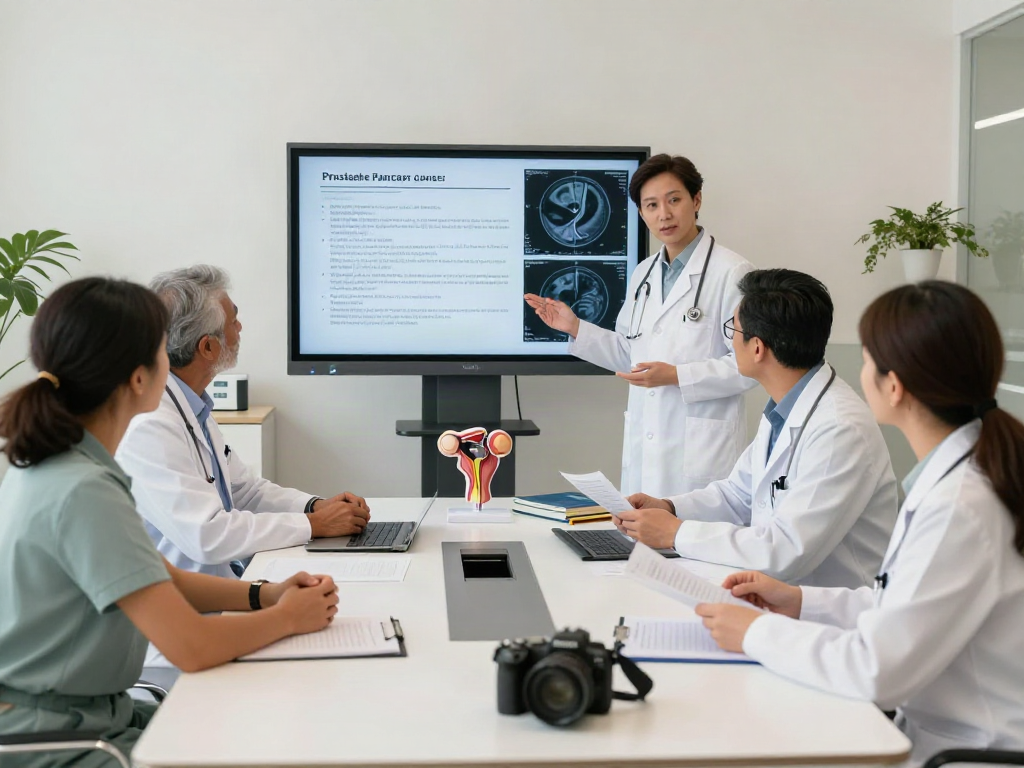
Before undergoing surgery, a thorough consultation with specialists is crucial. The surgeon will evaluate your condition, review your medical history, and assess any imaging results from MRI or CT scans. This comprehensive approach helps to determine if surgery is the best option for your situation.
Diagnostic Imaging Techniques
Diagnostic imaging is essential for understanding the extent of disc herniation. MRI is often preferred due to its superior ability to visualize soft tissues, including discs and nerves. Understanding the exact nature of your condition will help in planning the surgical approach.
Preparing Physically and Mentally for Surgery
Preparing for surgery involves both physical and mental readiness. Patients are generally advised to engage in gentle exercises that promote flexibility and strength. Mentally, understanding what to expect during surgery and the recovery process can significantly reduce anxiety and improve outcomes.
The Surgical Procedure Explained
Types of Surgery: Open vs. Minimally Invasive Techniques
There are two primary types of surgery for herniated disc treatment: open surgery and minimally invasive surgery (MIS). Open surgery involves a larger incision, allowing direct access to the spine, whereas MIS techniques utilize smaller incisions, often leading to quicker recovery times and less postoperative pain.
What to Expect During the Procedure
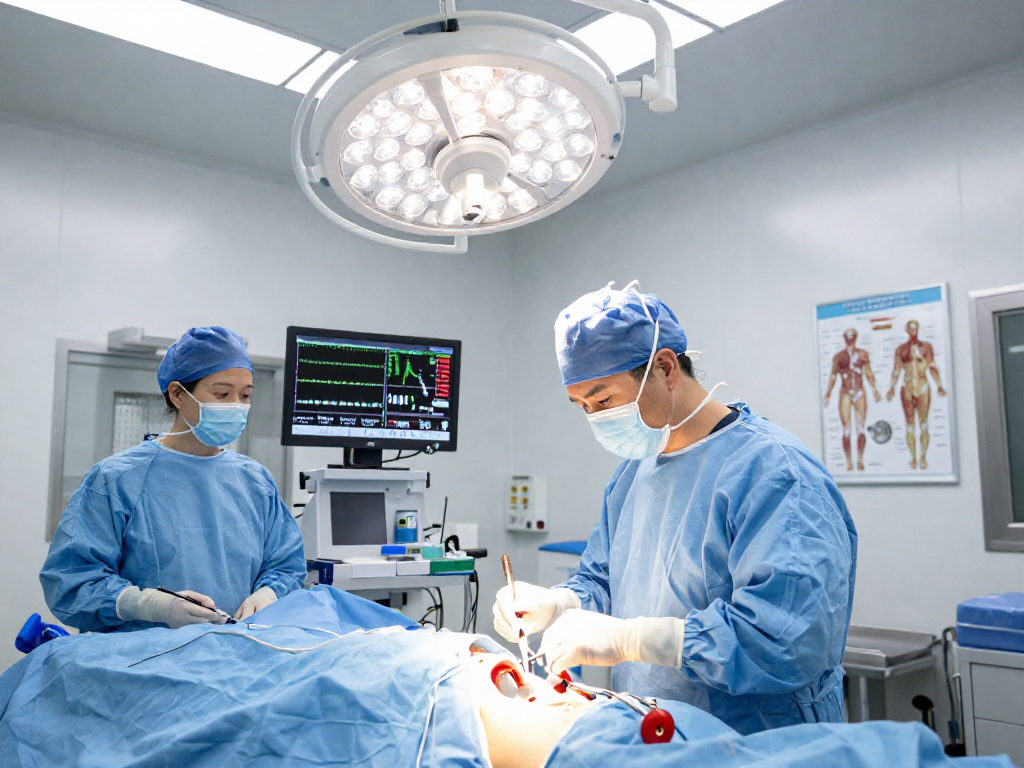
During the surgical procedure, the patient is placed under general anesthesia. The surgeon will access the affected area of the spine and remove the herniated portion of the disc that is pressing on the nerve. In minimally invasive procedures, specialized instruments and cameras are used to facilitate the surgery through smaller openings.
Role of the Surgical Team
The surgical team typically consists of a neurosurgeon, operating room nurses, and anesthesiologists, all working together to ensure a successful operation. Each member plays a critical role, from prepping the patient to monitoring vital signs during surgery.
Post-Operative Recovery and Care
Immediate Post-Surgery Care Guidelines
After surgery, patients are generally monitored in the recovery room before being transferred to a hospital room. Pain management is an important part of post-operative care, often involving medications as prescribed by the medical team. Patients are typically encouraged to start moving as soon as possible to enhance circulation and prevent complications.
Rehabilitation Strategies for a Smooth Recovery
Rehabilitation following a herniated disc surgery is crucial for a successful recovery. Physical therapy sessions are tailored to each patient, focusing on exercises that enhance strength, flexibility, and endurance. Consistency in rehabilitation can significantly impact overall recovery time.
Common Post-Surgery Challenges and Solutions
Some patients may experience challenges such as persistent pain, limited mobility, or emotional distress. Open communication with healthcare providers can help address these issues. Support groups and counseling may also be beneficial for emotional well-being during recovery.
Future Trends in Bel Fıtığı Ameliyatı
Innovations in Minimally Invasive Surgery
The field of spinal surgery is continually evolving, with advancements in minimally invasive techniques. Innovations such as robotic-assisted surgeries and improved imaging technology are paving the way for more precise and less invasive procedures, which can enhance patient outcomes and reduce recovery times.
Technological Advancements in Imaging and Procedure
Technological advancements are also improving pre-operative planning and intraoperative navigation. Techniques such as 3D imaging and augmented reality could become standard practice, allowing surgeons to visualize the surgical site more clearly and improve accuracy during procedures.
Predictions for 2026 and Beyond
By 2026, we can expect a shift towards even more patient-centered care, with a focus on customizing surgical interventions based on individual patient anatomy and conditions. This may lead to an increase in outpatient procedures and a decrease in hospital stay durations, promoting quicker recoveries and better overall patient satisfaction.
What are the risks associated with Bel Fıtığı Ameliyatı?
Like any surgical procedure, bel fıtığı ameliyatı carries risks, including infection, bleeding, and nerve damage. Patients should thoroughly discuss these risks with their surgeon, understanding their likelihood and the preventive measures that will be taken.
How long does recovery take after surgery?
Recovery time varies by individual and the complexity of the surgery. However, most patients start to regain normal function within weeks, with a full recovery generally taking several months, especially if physical therapy is involved.
What signs to watch for post-surgery?
Patients should monitor for unusual symptoms following surgery, such as increased pain, swelling, or changes in bowel or bladder habits, which could indicate complications that require immediate medical attention.
Can Bel Fıtığı Ameliyatı be avoided with alternative treatments?
While many patients can find relief through alternative treatments such as physical therapy, chiropractic care, or medication, these methods may not be effective for everyone. Consulting with a healthcare professional can help determine the best approach for each individual.
What are the success rates of this surgery?
Success rates for bel fıtığı ameliyatı are generally high, with many patients experiencing significant relief from pain and improved mobility. For more information, Bel fıtığı ameliyatı offers valuable insights. Clinical studies indicate that as many as 80-90% of patients report satisfaction with their outcomes, highlighting the effectiveness of surgical intervention.