
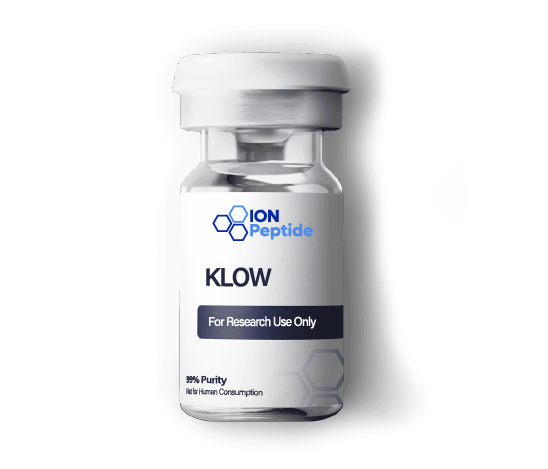
Introduction to KLOW Compounds
KLOW compounds have become an important subject of discussion in modern industrial and scientific environments due to their consistent performance and controlled production methods. The term KLOW refers to a category of compounds that are manufactured under tightly regulated conditions to ensure purity, stability, and reliability. These compounds are widely recognized for their role in various applications where quality cannot be compromised. The growing demand for KLOW compounds reflects a broader shift toward precision and accountability in chemical production.
The concept behind KLOW compounds is rooted in the idea that strict standards lead to superior outcomes. Manufacturers that focus on KLOW production aim to eliminate variability and maintain uniformity across batches. This ensures that every unit produced meets the same high expectations, which is essential for industries that rely on consistent material properties.
The Importance of Strict Production Standards
Strict standards are at the core of KLOW compound production. Without such standards, it would be nearly impossible to achieve the level of precision required in today’s competitive industries. KLOW manufacturing processes involve carefully monitored conditions, including temperature control, pressure regulation, and contamination prevention. These measures are not optional; they are fundamental to maintaining the integrity of KLOW compounds.
By adhering to strict protocols, producers of KLOW compounds can guarantee that their products meet both regulatory and customer requirements. This is particularly important in sectors where even minor inconsistencies can lead to significant consequences. The emphasis on strict standards also builds trust among users, as they know they are working with materials that have been produced with the highest level of care.
Manufacturing Process of KLOW Compounds
The manufacturing process of KLOW compounds is a carefully designed sequence of steps that ensures consistency and quality. It begins with the selection of raw materials, which must meet specific criteria before being approved for use. Only high-grade inputs are allowed in the production of KLOW compounds, as the quality of the final product depends heavily on the initial ingredients.
Once the raw materials are selected, they undergo controlled processing where each stage is monitored in real time. Advanced technologies are often used to maintain precise conditions throughout the process. This includes automated systems that detect any deviations and make immediate adjustments. The goal is to produce KLOW compounds that are free from impurities and exhibit predictable behavior in their intended applications.
Quality Control and Assurance
Quality control is a defining feature of KLOW compounds. Every batch produced undergoes rigorous testing to ensure it meets established standards. These tests are designed to evaluate various aspects of the compound, including composition, stability, and performance. If any inconsistencies are detected, the batch is either corrected or discarded.
Quality assurance goes beyond testing and includes documentation and traceability. Each KLOW product is typically accompanied by detailed records that outline its production history. This level of transparency allows users to verify the authenticity and quality of the compound. It also enables manufacturers to identify and address any issues quickly, further strengthening the reliability of KLOW compounds.
Applications of KLOW Compounds
KLOW compounds are used in a wide range of applications due to their dependable properties. Industries that require high precision often rely on KLOW materials to ensure optimal performance. These applications can include advanced manufacturing processes, research and development projects, and specialized industrial operations.
The versatility of KLOW compounds makes them suitable for both large-scale production and niche uses. Their consistent quality allows them to be integrated into complex systems without the risk of unexpected behavior. As a result, KLOW compounds have become a preferred choice for professionals who prioritize reliability and efficiency.
Benefits of Using KLOW Compounds
One of the main benefits of KLOW compounds is their consistency. Because they are produced under strict standards, users can expect the same level of performance from every batch. This reduces the need for additional testing and adjustments, saving both time and resources.
Another advantage is their high level of purity. KLOW compounds are designed to minimize impurities, which can interfere with performance and lead to undesirable outcomes. This makes them particularly valuable in applications where precision is critical. Additionally, the reliability of KLOW compounds contributes to improved safety, as there is less risk of unexpected reactions or failures.
Environmental Considerations
The production of KLOW compounds also takes environmental factors into account. Strict standards often include guidelines for minimizing waste and reducing emissions. Manufacturers are encouraged to adopt sustainable practices that align with environmental regulations and industry expectations.
By focusing on responsible production methods, KLOW compound manufacturers can reduce their impact on the environment while maintaining high quality. This balance between performance and sustainability is becoming increasingly important as industries strive to meet global environmental goals. The emphasis on eco-friendly practices further enhances the reputation of KLOW compounds.
Challenges in KLOW Production
Despite their many advantages, producing KLOW compounds is not without challenges. Maintaining strict standards requires significant investment in technology, training, and infrastructure. Manufacturers must continuously monitor their processes and update their systems to keep up with evolving requirements.
Another challenge is ensuring consistency across different production facilities. Even with standardized procedures, variations can occur if conditions are not carefully controlled. This makes it essential for manufacturers to implement robust quality management systems that can handle these complexities. Overcoming these challenges is crucial to maintaining the integrity of KLOW compounds.
Future of KLOW Compounds
The future of KLOW compounds looks promising as industries continue to prioritize quality and precision. Advances in technology are expected to further enhance the production process, making it easier to maintain strict standards. Automation and data analysis will play a key role in improving efficiency and reducing the likelihood of errors.
As demand for high-quality materials grows, KLOW compounds are likely to become even more important. Their ability to deliver consistent results makes them a valuable asset in a wide range of applications. Continued innovation in this field will help expand their use and reinforce their position as a reliable solution for modern challenges.
Conclusion
KLOW compounds produced under strict standards represent a significant advancement in the field of controlled manufacturing. Their emphasis on quality, consistency, and reliability makes them an essential component in many industries. By adhering to rigorous production protocols, manufacturers can ensure that KLOW compounds meet the highest expectations.
The importance of KLOW compounds will continue to grow as industries seek dependable materials that can perform under demanding conditions. With ongoing improvements in technology and sustainability practices, KLOW compounds are well positioned to remain a key part of future developments.