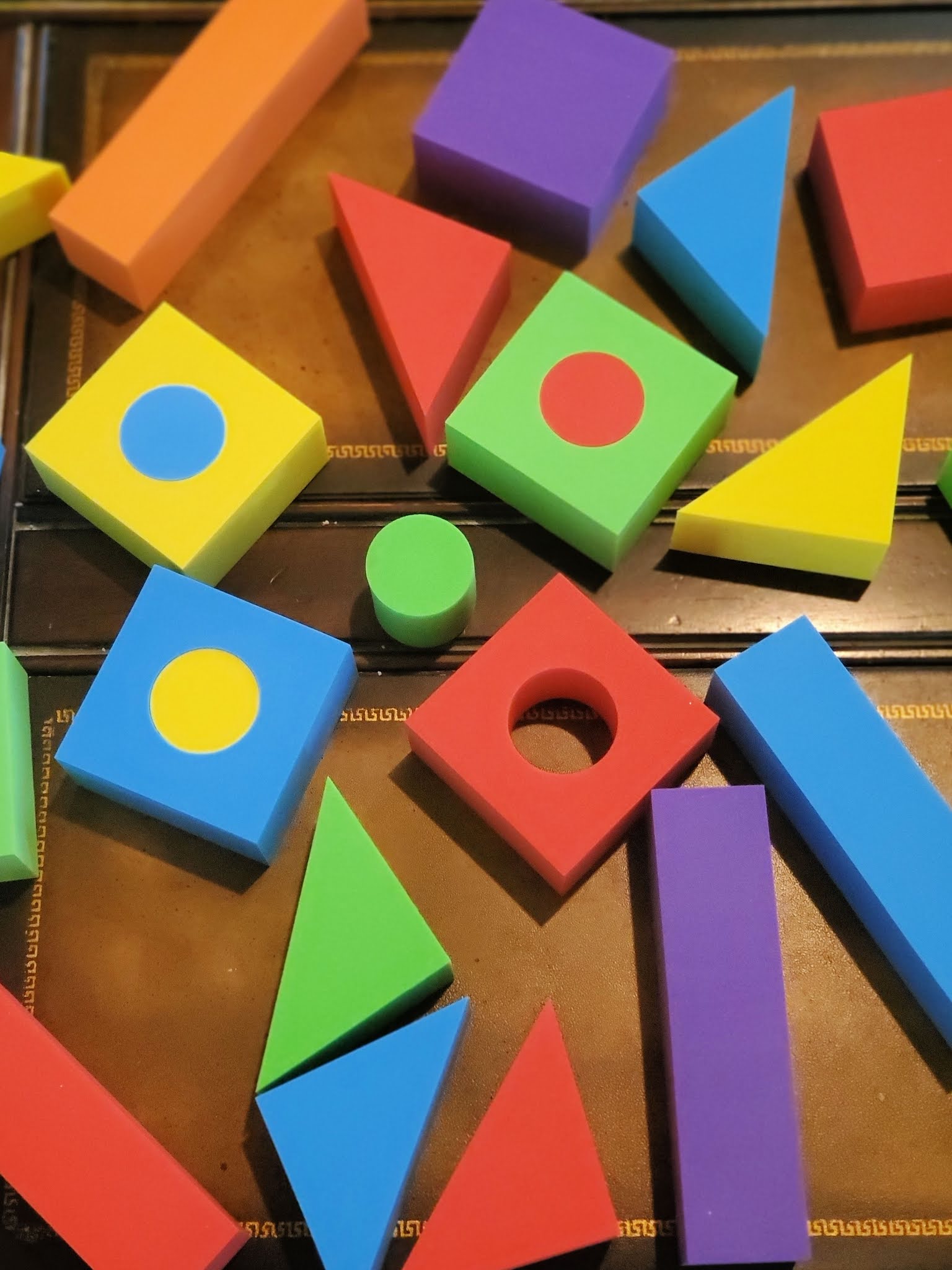
Introduction to Giant Foam Building Blocks
In the realm of play and childhood development, giant foam building blocks stand out as an innovative and versatile resource. These soft, lightweight structures not only serve as a source of entertainment but also foster creativity and imagination among children. From constructing elaborate forts to engaging in fun group activities, the possibilities are endless. For those interested in diving deeper into this exciting topic, get the details on how to choose the perfect foam blocks and play ideas.
What are Giant Foam Building Blocks?
Giant foam building blocks, often made of soft, non-toxic foam, are oversized pieces designed for children to stack, build, and create structures. Unlike traditional wooden or plastic building blocks, these foam varieties provide greater safety for younger players. Common shapes include cubes, rectangles, and even themed shapes, all crafted to inspire a child's creativity. They’re lightweight, allowing children to easily manipulate them, which encourages both independent and collaborative play.
Benefits of Using Foam Blocks for Play
Foam blocks come loaded with benefits that cater to a child's developmental needs:
- Encourages Creativity: Children can express their imagination by designing and building anything they envision.
- Promotes Physical Activity: As kids move around lifting and stacking blocks, they build motor skills and enhance their physical fitness.
- Facilitates Social Interaction: Group activities foster teamwork and communication skills as children collaborate on projects.
- Boosts Confidence: Completing a building project can create a sense of achievement for children, boosting their self-esteem.
Safety Features of Soft Foam Blocks
Safety is a paramount consideration in any child's play equipment. Foam blocks are specifically designed with safety features, including:
- Soft Material: The foam material cushions falls and prevents injury during play.
- No Edges or Splinters: Unlike wooden blocks, soft foam blocks have no sharp edges, reducing the risk of cuts or scrapes.
- Non-Toxic and Hypoallergenic: Ensuring that foam blocks are made from safety-tested materials gives parents peace of mind.
- Lightweight and Easy to Handle: Even the youngest children can safely lift and carry foam blocks, allowing for endless play possibilities.
Creative Play Ideas for Indoor Adventures
Constructing Your Own Forts
One of the most beloved activities involving foam blocks is fort-building. Children can use the blocks to create elaborate hideouts, castles, or even caves. By allowing them to structure their fort, you encourage problem-solving and spatial awareness. Add some blankets and pillows for comfort, and your indoor adventure just reached another level!
Incorporating Theme-Based Play
Theme-based play is a fantastic way to transition foam building blocks into a learning experience. Choose themes like “space exploration” or “jungle adventure” and let your children build structures relevant to those ideas. A rocket ship for space or a sanctuary for jungle creatures not only enhances imaginative play but also opens the door for storytelling and role-playing.
Engaging Group Activities with Foam Blocks
Foam blocks are ideal for group play. Organize relay races, where teams must carry blocks to create a structure, or challenge them to reconstruct famous landmarks. These activities teach cooperation, coordination, and communication while keeping the excitement alive. Provide incentives for creativity to further enhance engagement.
Choosing the Right Foam Blocks for Your Needs
Factors to Consider When Shopping
When it comes to selecting the perfect foam blocks, consider the following:
- Age Appropriateness: Ensure the product is suitable for your child's age group, especially for toddlers.
- Environment: Decide if you need indoor or outdoor blocks, as some may have weather-resistant properties.
- Weight and Size: The size should be manageable for little hands, allowing for ease of play.
- Color and Design: Brightly colored blocks can stimulate visual interest and make play more engaging.
Top Features for Durability and Safety
To ensure longevity and safety, look for blocks with these features:
- High-Quality Foam: Look for durable foam that withstands wear and tear from enthusiastic play.
- Washable Covers: Some blocks come with removable, washable covers to maintain hygiene.
- Non-Slip Bases: Features that prevent sliding during play help maintain stability in structures.
Finding the Right Size and Shape
Foam blocks come in various shapes and sizes, which can impact play. Smaller blocks allow for detailed creations, while larger blocks facilitate grand structures quickly. A mixed set often provides the best of both worlds. Ensure that the shapes available in the set provide versatility, enabling endless play scenarios.
Innovative Storage Solutions for Foam Building Blocks
Creative Ways to Organize Blocks
Keeping foam blocks organized can be as fun as playing with them. Utilize colorful bins or baskets to categorize blocks by size or shape. You can even have a designated “building zone” where children can easily access and return blocks after play.
Space-Saving Storage Ideas
If you're short on space, consider using vertical storage solutions. Wall-mounted racks or hanging bags can keep blocks off the ground and free up floor space. Alternatively, invest in collapsible storage solutions that can be easily put away when not in use.
Maintaining a Tidy Play Area
To maintain an organized play area, establish a routine for post-play cleanup. Involve your children by turning cleanup into a game. Additionally, teaching them the importance of responsibility in taking care of their toys sets a positive example for lifelong habits.
FAQs about Giant Foam Building Blocks
How long do foam blocks last?
The lifespan of foam blocks depends on usage and care, but with appropriate handling, they can last for several years without losing their quality.
Are foam blocks safe for toddlers?
Yes, foam blocks are designed to be soft and lightweight, making them safe for toddlers who are still developing their motor skills.
Can these blocks be used outdoors?
Sure! Some foam blocks are specifically made for outdoor use, but it's essential to check the product specifications before outdoor play.
How to clean foam building blocks?
Most foam blocks can be wiped clean with a damp cloth or mild soap solution. Some sets also feature washable covers for easy maintenance.
What age group are foam blocks suitable for?
Foam blocks are generally suitable for children aged 1 and up. Always check the manufacturer's age recommendations for specific products.