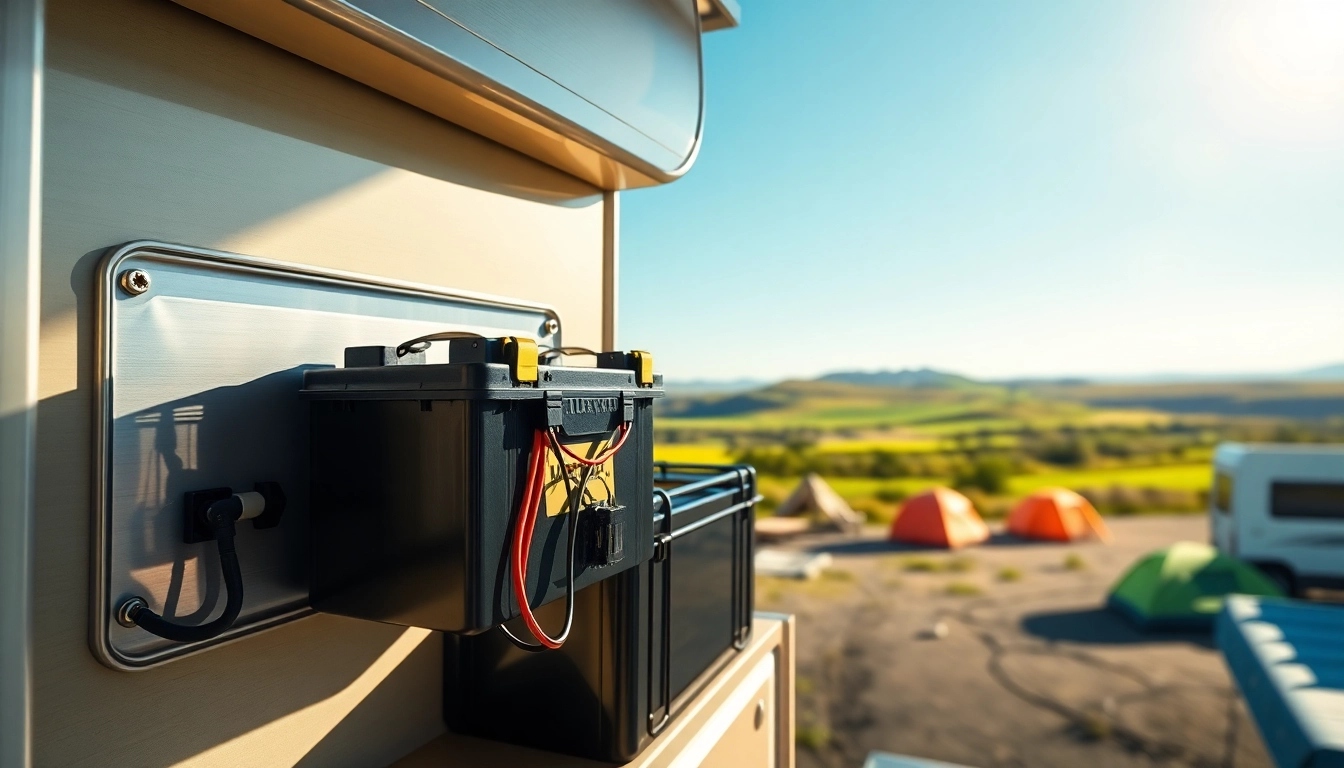
Understanding Lithium RV Batteries
Lithium RV batteries have become increasingly popular among RV enthusiasts and campers for their superior performance and longevity. These batteries differ significantly from traditional lead-acid batteries, offering several advantages that make them ideal for powering RVs. Their ability to provide consistent power without frequent recharging is one of the many reasons why many are transitioning to lithium RV batteries.
What Are Lithium RV Batteries?
Lithium RV batteries are rechargeable batteries that utilize lithium-ion technology. Unlike lead-acid batteries, which rely on chemical reactions to generate power, lithium batteries provide energy through the movement of lithium ions between the cathode and anode. This technology results in batteries that are not only lighter but also have a higher energy density, allowing for more power storage in a compact size.
How Do Lithium RV Batteries Work?
The operation of lithium batteries is fundamentally different from traditional batteries. When a lithium battery discharges, lithium ions flow from the anode to the cathode, creating a current that powers the connected devices. Conversely, during charging, ions move back to the anode. This efficient ion transfer results in high discharge rates and quick charging times, further enhancing their appeal in an RV setting.
Advantages of Lithium RV Batteries
- Longer Lifespan: Lithium RV batteries typically last up to 10 years or more, significantly outpacing the lifespan of traditional lead-acid batteries.
- Weight Reduction: They are much lighter than lead-acid batteries, which helps improve the overall weight distribution of your RV.
- Fast Charging: Lithium batteries can charge much faster than their lead counterparts, often reaching full charge in a fraction of the time.
- Low Self-Discharge Rate: They maintain their charge longer when not in use, making them a reliable option for seasonal campers.
- Deep Discharge Capability: Lithium batteries can be discharged to a much lower percentage without damaging the battery, providing more usable power when needed.
Choosing the Right Lithium RV Battery
Factors to Consider When Selecting Lithium RV Batteries
When searching for the perfect lithium battery for your RV, several factors should influence your decision:
- Power Needs: Assess your RV's power demands based on the appliances and systems you'll be using.
- Weight Considerations: Opt for batteries that minimize overall weight while maximizing performance.
- Cost vs. Value: While lithium batteries may have a higher initial cost, their longevity often offsets this expense over time.
- Brand Reputation: Research manufacturers known for quality and reliability in lithium technology.
Battery Capacity and Size
Battery capacity, measured in amp-hours (Ah), Vatrer Power plays a crucial role in ensuring that your RV has sufficient power for extended trips. Common capacities for RVs range from 100Ah to 400Ah or more, depending on your energy needs. Smaller RVs may operate effectively with a single 100Ah battery, while larger setups with multiple appliances might require several 300Ah batteries connected in parallel to meet their demand.
Voltage Requirements for Your RV
Most RV electrical systems operate on either 12V or 24V configurations. It’s essential to choose a lithium battery that matches the voltage of your system. For instance, a 12V lithium battery is suitable for standard RV wiring, but if your setup includes high-power appliances, a 24V system might be required. Ensure that you calculate your appliances' voltage and wattage requirements before making a purchase.
Installing Lithium RV Batteries
DIY Installation Tips for Lithium RV Batteries
Installing lithium RV batteries can be a rewarding project for DIY enthusiasts. Begin by ensuring that you have the right connectors, wire gauge, and tools. Here’s a step-by-step guide for you:
- Remove the old battery and clean the battery compartment thoroughly.
- Connect the lithium battery's positive terminal to the RV's positive terminal using appropriate cabling.
- Connect the negative terminal of the lithium battery to the RV's negative terminal.
- Ensure all connections are secure, then power on the system and check for any issues.
Safety Precautions During Installation
Safety should always be your priority when installing lithium RV batteries. Some precautions include:
- Wear safety gloves and goggles to protect against potential acid spills or electrical shocks.
- Work in a well-ventilated area to avoid inhaling any fumes during installation.
- Double-check each connection before powering on the RV to prevent short circuits.
Professional Installation Options
If you're uncomfortable with DIY installation, hiring a professional is a safe option. Look for certified electricians or RV service centers specializing in battery installation. They can guarantee proper connection and system functionality, mitigating risks associated with incorrect installations.
Maintaining Your Lithium RV Batteries
Best Practices for Lithium RV Battery Care
Proper maintenance is key to ensuring the longevity of your lithium RV batteries. Follow these best practices:
- Store batteries in a cool, dry place when not in use, ideally at a partial charge.
- Regularly check connections for corrosion or wear and clean terminals as necessary.
- Monitor battery performance with a smart management system for enhanced care.
Common Signs of Lithium RV Battery Issues
Being aware of signs indicating battery issues can save you time and money. Some common signs include:
- Rapid loss of charge despite normal use.
- Swelling or deformity of the battery casing.
- Overheating during charging or operation.
Extending the Lifespan of Lithium RV Batteries
Enhancing the lifespan of your lithium RV batteries involves understanding charging cycles and usage patterns. Aim to avoid deep discharges regularly, as this can affect the battery's capacity over time. Instead, recharge batteries when they reach around 20% capacity and utilize a battery management system to regulate charge and discharge, maximizing efficiency.
Frequently Asked Questions About Lithium RV Batteries
Are Lithium Batteries Worth It for an RV?
Yes, lithium batteries are worth the investment for RV use due to their longer lifespan, faster charging times, and greater energy efficiency, making them ideal for frequent travelers.
How Long Do Lithium RV Batteries Last?
Typically, lithium RV batteries last between 8 to 15 years, depending on usage, maintenance, and environmental conditions.
Can Lithium RV Batteries Be Used in Cold Weather?
Yes, 12V 300Ah Lithium Battery can operate in cold weather; however, low temperatures can reduce their performance and efficiency. Using battery heaters can mitigate this issue.
What Size Lithium RV Battery Do I Need?
The size depends on your power requirements. Analyze your appliances and energy usage to select batteries with the appropriate capacity, often between 100Ah to 400Ah.
How to Properly Charge Lithium RV Batteries?
Charge lithium batteries using a compatible charger designed for lithium technology. Avoid overcharging, and monitor battery levels to maintain optimal performance and lifespan.