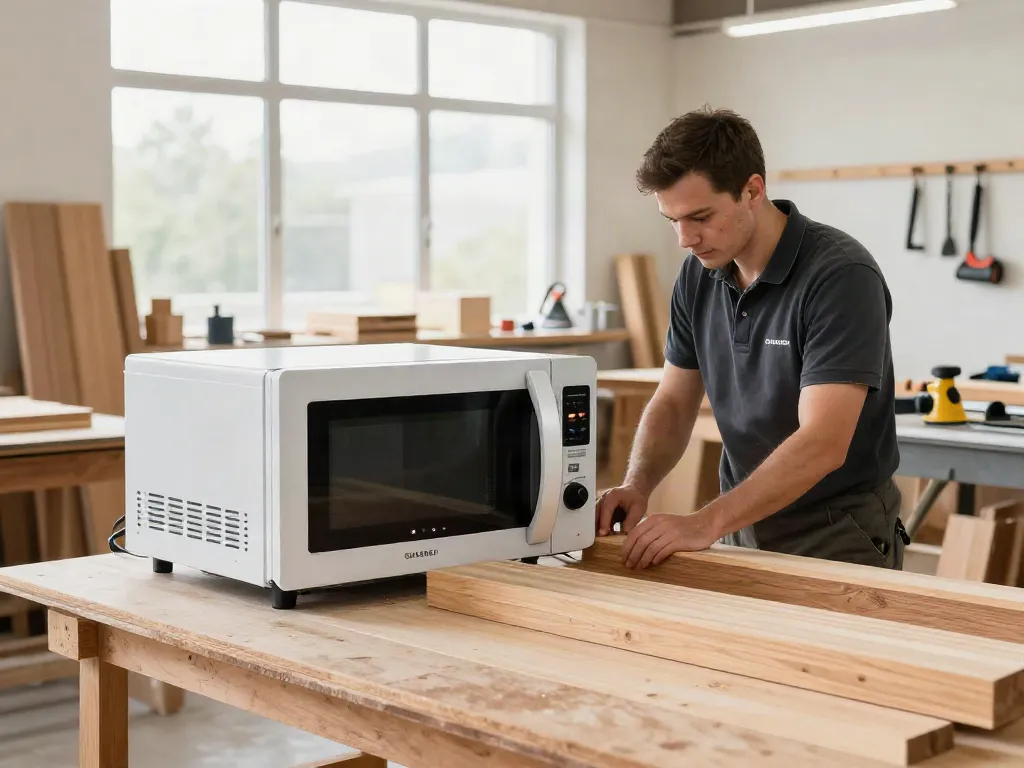
Introduction to SHASHEL® Technology
The advancement of technology has transformed various industries, and wood treatment is no exception. Among the forefront players is SHASHEL®, a revolutionary brand known for its innovative microwave equipment designed to eliminate wood-boring insects effectively and safely. With a heightened awareness of environmental issues and a need for chemical-free solutions, SHASHEL® stands out as a leader in sustainable wood treatment options. This article delves into the unique features of SHASHEL® technology, its benefits, and the implications of its use in various settings.
What is SHASHEL®?
SHASHEL® is a pioneering company specializing in microwave technology specifically aimed at the eradication of wood-boring insects such as woodworms, beetles, and their larvae. Unlike traditional pest control methods that often rely on harmful chemicals, SHASHEL® employs a microwave system that penetrates deep into wood to deliver high-frequency energy waves, effectively exterminating pests without posing risks to human health or the environment. This method ensures a reliable and safe solution for homes, furniture, and valuable wooden structures.
The Science Behind Microwave Treatment
The operational principle of SHASHEL® technology is based on the ability of microwaves to heat materials rapidly. When used on wood, the microwaves target the moisture within the insects and wood itself, causing the temperature to rise swiftly. At around 56°C (132.8°F), the wood-boring insects, including their eggs and larvae, are incapacitated or killed. This method is scientifically proven to ensure complete eradication while maintaining the structural integrity of the wood.
Environmental Benefits of SHASHEL®
One of the standout advantages of using SHASHEL® is its alignment with environmental sustainability. The absence of chemical agents in their treatment process minimizes ecological impact, making it a preferred choice for eco-conscious consumers. Furthermore, the efficiency of microwave treatment means that less energy is expended compared to traditional heating methods, showcasing a commitment to reducing carbon footprints during pest control.
Understanding Wood-Boring Insects
Wood-boring insects pose significant threats to wooden structures, and understanding their behavior is critical for effective management. Species such as the common woodworm (Anobium punctatum) and the house longhorn beetle (Hylotrupes bajulus) can cause severe damage if left unchecked. In this section, we explore the identification and consequences of infestations.
Common Woodworms and Their Impact
Woodworms are notorious for their destructive capabilities, often laying eggs in wooden surfaces where the larvae then hatch and burrow through the wood. Common types include the common woodworm and powderpost beetles, both of which can compromise the stability of wooden furniture and structures over time. Recognizing these pests early is essential to halt their destructive lifecycle.
How to Identify Insect Infestations
Identifying wood-boring insect infestations can be achieved through several tell-tale signs:
- Bore holes: Small holes in wood surfaces indicate adult insects have emerged.
- Frass: Fine powdery droppings found near infested wood.
- Soft or crumbling wood: Deterioration often signifies active tunneling.
- Visible larvae: Occasionally, larvae may be visible on the surface of wood.
Consequences of Ignoring Wood Damage
Neglecting wood damage can result in structural failures, costly repairs, and potential safety hazards. Over time, untreated infestations can lead to compromised integrity in beams, flooring, and furniture, ultimately diminishing property value. Early intervention with SHASHEL®’s microwave treatment can save homeowners significant expenses in the long run.
How SHASHEL® Works
The effectiveness of SHASHEL® in wood insect elimination lies in its straightforward process. Here, we take a closer look at the steps involved in treatment and how it compares to traditional methodologies.
Step-by-Step Treatment Process
The treatment process with SHASHEL® is highly efficient and can be summarized in a few simple steps:
- Preparation: Identify the infested areas and prepare the wood for treatment.
- Microwave Application: Place the wood in the SHASHEL® microwave system, ensuring optimal energy distribution.
- Treatment Duration: Set the timer, typically ranging from a few minutes to half an hour, depending on the infestation severity.
- Post-Treatment Inspection: Check for any remaining signs of infestation and ensure thorough extermination.
Comparative Analysis: SHASHEL® vs. Traditional Methods
When comparing SHASHEL® to traditional pest control methods, several key differences emerge:
- Speed: Microwave treatment is significantly faster, often requiring only a fraction of the time traditional methods might take.
- Sustainability: The SHASHEL® approach avoids harmful chemicals, making it safer for both the environment and occupants.
- Efficacy: Studies show that microwave treatment can penetrate deeper and target larval stages effectively, whereas traditional methods may fail to reach all life stages.
Real-World Success Stories
Numerous satisfied customers have reported significant improvements and successful eradication of wood-boring pests using SHASHEL® technology. Case studies reveal a variety of applications, from residential homes to commercial wood storage facilities, where the technology has not only eliminated infestations but also preserved the quality and appearance of wooden products.
Benefits of Using SHASHEL® Equipment
The advantages of employing SHASHEL® equipment extend beyond just pest elimination. Here we explore the core benefits that contribute to its growing popularity.
Quality Preservation of Wood Products
One of the most critical benefits of SHASHEL® is its ability to treat wood without compromising its structural integrity. Traditional pest control methods can sometimes involve harsh chemicals or excessive heat that may warp or damage the wood, while SHASHEL® preserves the wood's natural quality through careful treatment.
Time Efficiency and User Experience
Quick treatments translate to less downtime and greater convenience. Users often find the SHASHEL® equipment easy to operate, requiring minimal training to achieve effective results. This user-friendly approach encourages more frequent maintenance treatments, ensuring ongoing protection against potential infestations.
Cost-Effectiveness in Long-Term Use
While the initial investment in SHASHEL® equipment may be higher than traditional methods, the long-term savings are substantial. By preventing damage and enhancing the lifespan of wood products, users can avoid costly repairs and replacements, ultimately leading to a more sustainable financial outcome.
Future Trends in Wood Treatment Technologies
As we look toward the future of wood treatment technologies, several trends are expected to shape the landscape. Awareness of sustainability and health consciousness are likely to drive innovation and demand in the coming years.
Emerging Technologies and Innovations for 2026
By 2026, we can anticipate advancements in automation and precision technology within wood treatment methods. Innovations in sensors and AI could lead to more tailored pest management solutions, enhancing efficacy and user experience further while maintaining environmental safety.
Consumer Preferences and Demand
Consumer preferences are shifting towards eco-friendly, non-toxic solutions, a trend likely to influence the expansion and acceptance of SHASHEL® technologies. As homeowners become more informed about the dangers of chemical pest control, the demand for safe alternatives will continue to grow.
The Role of SHASHEL® in Sustainable Practices
SHASHEL® is positioned at the intersection of pest control and sustainability. With its commitment to chemical-free treatment processes, the technology exemplifies how industries can adapt to eco-friendly practices without sacrificing efficacy. As environmental concerns continue to rise, SHASHEL®'s role in promoting sustainability will become increasingly significant.
What types of wood can SHASHEL® treat?
SHASHEL® is designed to treat a broad spectrum of wood types. Whether dealing with softwoods or hardwoods, the technology effectively manages infestations without bias, making it ideal for various applications, from construction beams to antique furniture.
Is SHASHEL® safe for use in homes?
Absolutely. SHASHEL®’s microwave technology is safe for residential use, ensuring that families and pets are not exposed to harmful chemicals during treatment. It provides peace of mind alongside effective pest control.
How long does the treatment process take?
The duration of the treatment process with SHASHEL® typically ranges from a few minutes to just over half an hour, depending on the infestation level and type of wood being treated. This rapid approach minimizes disruption and accelerates restoration efforts.
Can SHASHEL® treat large furniture pieces?
Yes, SHASHEL® equipment is capable of treating large furniture pieces effectively. The microwave technology can penetrate dense materials, ensuring the entire structure is protected from pests.
What maintenance is required for SHASHEL® equipment?
Maintenance for SHASHEL® equipment is minimal. Regular cleaning and periodic checks to ensure optimal performance are recommended. Following the manufacturer’s guidelines will prolong the life of the device and maintain its effectiveness.