Understanding the Benefits of Bobcat Equipment
Why Choose Bobcat for Your Projects?
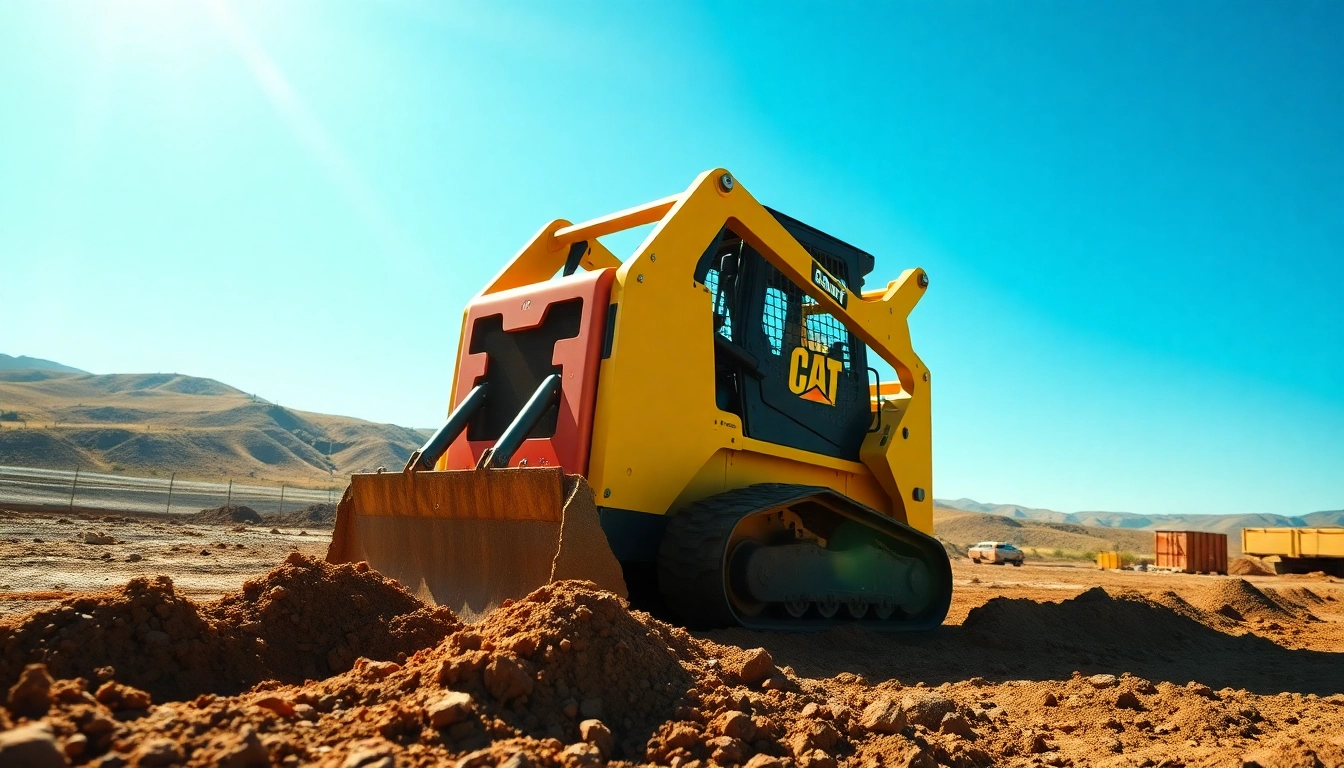
The choice of machinery can significantly alter the trajectory of a construction or landscaping project. When it comes to versatility and reliability, the bobcat stands out as a premier option. Known for its compact size and agility, the bobcat is adaptable to various tasks, embodying a perfect blend of power and maneuverability. Whether you're digging, leveling, or transporting materials, bobcat machines offer exceptional performance, making them indispensable in construction sites and landscaping jobs.
Key Features to Look for in a Bobcat
When selecting the right bobcat for your needs, consider the following features:
- Power and Efficiency: Ensure the bobcat has sufficient horsepower and torque for your specific tasks.
- Hydraulic System: Look for a reliable hydraulic system that provides consistent power for attachments.
- Compact Design: A compact design allows for easy navigation in tight spaces, crucial for urban projects.
- Operator Comfort: An ergonomic cabin with adjustable seating and controls enhances productivity.
- Attachments Compatibility: Ensure the bobcat can use various attachments for greater operational versatility.
Common Applications of Bobcat Machinery
Bobcats are highly versatile machines suitable for various applications across industries:
- Construction: Ideal for grading, excavation, and moving materials.
- Landscaping: Perfect for digging trenches, leveling ground, and transporting soil.
- Agriculture: Utilized for feed handling, loading, and digging in farming operations.
- Snow Removal: Equipped with snowplow attachments, bobcats efficiently clear snow from driveways and roads.
- Demolition: Effective for tearing down structures and removing debris.
How to Operate a Bobcat Effectively
Basic Operating Procedures
Operating a bobcat involves understanding controls and procedures that contribute to efficiency and safety. Here’s a simple guide:
- Before starting, perform a pre-operation inspection, checking oil, fuel, and hydraulic levels.
- Familiarize yourself with controls: steering wheel, accelerator, brake, and levers for attachments.
- Start the engine and let it warm up for a few minutes before engaging in heavy operations.
- Practice smooth transitions: accelerate gently and avoid sudden stopping to maintain stability.
Safety Guidelines for Bobcat Users
Safety is paramount when operating a bobcat. Here are essential guidelines:
- Always wear appropriate protective gear: helmets, gloves, and visibility clothing.
- Keep the area free of obstacles and ensure bystanders are at a safe distance.
- Be mindful of terrain and conditions; avoid operations on steep inclines or wet surfaces.
- Never exceed the machine’s load capacity to prevent tipping or damage.
- Regularly maintain the bobcat to ensure it operates safely and efficiently.
Advanced Operating Techniques
After mastering the basics, advanced techniques can further enhance your efficiency:
- Precision Work: Use slow, controlled movements for tasks requiring high accuracy.
- Use of Attachments: Familiarize yourself with various attachments and their optimal applications, from buckets to forks.
- Multi-tasking: Efficiently switch between tasks by planning the order of operations to minimize repositioning.
Maintenance Tips for Your Bobcat
Routine Checkups and Care
Proper maintenance prolongs the life of your bobcat and ensures optimal performance:
- Daily Inspections: Check fluid levels, tire conditions, and overall cleanliness.
- Scheduled Services: Follow the manufacturer’s recommended service intervals for oil changes and filter replacements.
- Track Hours of Use: Monitor usage hours to schedule maintenance proactively.
Common Repairs and Troubleshooting
Understanding common repairs can save time and money:
- Hydraulic Leaks: Inspect hydraulic lines and connections regularly; replace damaged components promptly.
- Electrical Issues: Monitor battery health and replace corroded terminals to avoid starting problems.
- Engine Overheating: Ensure cooling systems are clean and airflow is unobstructed.
When to Seek Professional Help
While routine maintenance can be performed by operators, certain issues require expert intervention:
- Complex Repairs: If problems exceed your skill level or require specialized equipment.
- Warranty Issues: If the bobcat is under warranty, professional servicing ensures that coverage remains intact.
- Persistent Problems: If recurring faults occur despite regular maintenance, consulting a professional is advisable.
Comparing Bobcat Models: Which One is Right for You?
Small vs. Large Bobcats: Pros and Cons
Choosing between a small or large bobcat depends on your project requirements:
- Small Bobcats: Compact and versatile, ideal for tight spaces and lighter projects, but may have limited lifting capacity.
- Large Bobcats: Greater power and capacity, suitable for heavy-duty tasks but less maneuverable in confined areas.
Essential Model Features to Consider
When comparing models, evaluate key features based on your needs:
- Engine Power: Ensure the machine meets the demands of your typical workload.
- Attachment Options: Choose models compatible with various attachments for versatility.
- Accessibility: Consider ease of access for maintenance and operation.
Customer Preferences and Feedback
Understanding what users value in a bobcat can guide your choice:
- Durability: Users often prioritize machines with a reputation for resilience in tough environments.
- Operator Comfort: Feedback often highlights the importance of a comfortable cabin for extended work.
- Service Network: Customers appreciate models with widespread service and parts availability.
Maximizing Productivity with Bobcat Machinery
Effective Project Planning Techniques
Planning is vital for maximizing the efficiency of bobcat usage:
- Define Objectives: Outline clear goals for each phase of the project.
- Evaluate Resources: Assess the availability of materials, personnel, and equipment.
- Create Timelines: Establish a realistic schedule for each task to ensure smooth transitions.
Integrating Bobcat into Your Workflow
To enhance productivity, seamlessly integrate your bobcat into existing workflows:
- Team Training: Ensure all operators are skilled and familiar with procedures to optimize machine utilization.
- Regular Communication: Maintain open lines between team members to adapt to changing project needs.
- Technology Use: Implement project management tools for real-time updates on progress and adjustments.
Performance Metrics to Monitor Your Efficiency
Monitor performance metrics to evaluate the effectiveness of your bobcat usage:
- Productivity Rates: Track the volume of materials moved or tasks completed over time.
- Downtime Analysis: Record and analyze downtime due to maintenance or operational delays.
- Cost Management: Assess operational costs against project budgets to identify savings opportunities.
Frequently Asked Questions
What types of attachments are compatible with bobcats?
Bobcats are compatible with attachments like buckets, forks, trenchers, augers, and snow plows, enhancing their versatility.
How often should I perform maintenance on my bobcat?
Regular maintenance should occur daily, with in-depth services scheduled according to the manufacturer’s recommendations.
Can bobcats operate on uneven terrain?
Yes, bobcats are designed to handle a variety of terrains, but operators should take care on steep or particularly uneven ground.
What are common signs of hydraulic issues in bobcats?
Common signs include slow movement, leaking fluid, and unusual noises; immediate action is recommended if these occur.
How can I improve my bobcat operation efficiency?
Improving efficiency involves proper training, effective project planning, and regular maintenance to keep the machine running smoothly.