Understanding Equipment Transport
What is Equipment Transport?
Equipment transport refers to the logistics and processes involved in moving machinery and heavy equipment from one location to another. This may include transporting construction machinery, agricultural equipment, or industrial machines that require specialized handling. The need for equipment transport arises from various industries that rely on heavy machinery to complete tasks efficiently and safely. Efficient transport is crucial to maintain operational schedules, minimize downtime, and support project completion timelines.
Types of Equipment Transport Services
Equipment transport services vary widely and can be categorized based on the type of machinery being relocated or the transport method employed. Common types include:
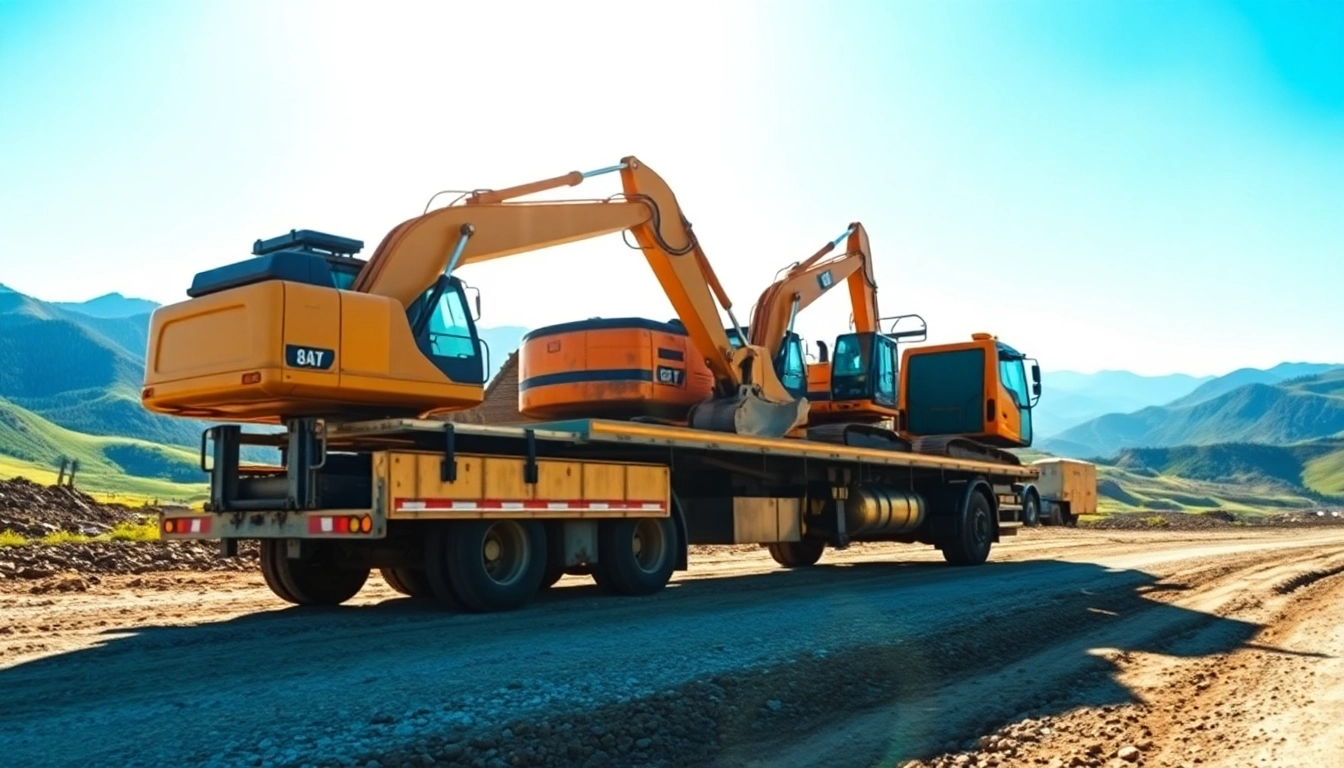
- Flatbed Transport: Ideal for oversized and bulky machinery that can be safely secured on open trailers.
- Enclosed Transport: Offers protection for sensitive equipment that may be vulnerable to weather elements during transit.
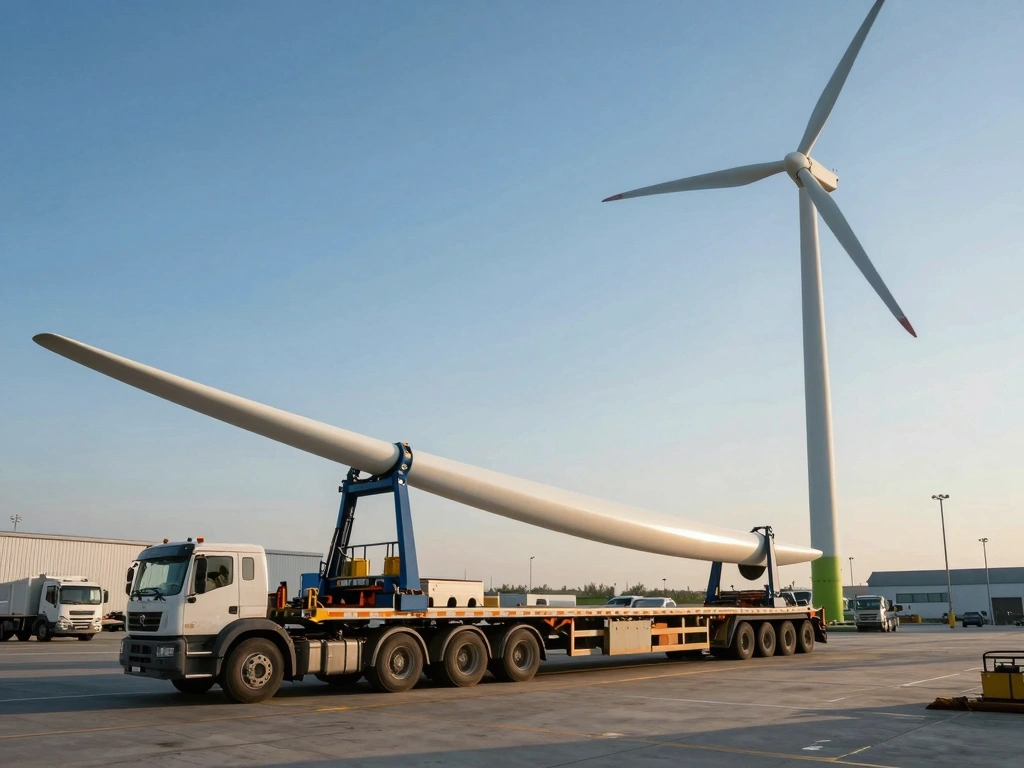
- Heavy Haul Transport: Specifically designed for exceptionally heavy or oversized loads that require special permits and escort vehicles.
- Lowboy Trailers: Used for transporting taller equipment, as they have a lower deck height to facilitate loading and unloading.
- Oversized Equipment Transport: Tailored for equipment exceeding standard dimensional limits, requiring special handling.
Importance of Equipment Transport in Construction
In the construction sector, efficient equipment transport is vital for several reasons:
- Project Efficiency: Quick and reliable transport ensures that machinery arrives on-site when needed, keeping projects on schedule.
- Safety Compliance: Correct transport methods minimize the risk of accidents and injuries associated with equipment handling.
- Damage Prevention: Professional transport services are equipped with the expertise to handle machinery safely, reducing the risk of damage during transit.
- Cost Management: Efficient transport can help manage logistics costs and reduce delays, thereby enhancing profitability.
Choosing the Right Equipment Transport Company
Key Qualities to Look For
When selecting an equipment transport provider, it’s essential to consider various qualities that ensure reliability and safety. These include:
- Experience: A company with a proven track record in equipment transport will likely have the necessary expertise to handle complex logistics.
- Insurance: Ensure the transport company is adequately insured to cover any potential damages during transit.
- Fleet Versatility: A diverse fleet allows for the transport of a wide range of equipment types and sizes.
- Customer Testimonials: Reviews and testimonials lend credibility and indicate a company's reliability in service delivery.
- Licensing and Compliance: The company must adhere to all local and federal regulations governing equipment transport.
Cost Factors in Equipment Transport
The cost of equipment transport can vary significantly based on several factors, including:
- Distance: Longer distances typically incur higher transportation costs due to fuel and logistics considerations.
- Type of Equipment: More specialized or heavier equipment generally requires more expensive handling and transport methods.
- Transport Method: The choice between flatbed, enclosed, or specialized trailers affects the overall cost.
- Seasonal Demand: Demand fluctuations throughout the year can impact pricing, especially during peak construction seasons.
Questions to Ask Potential Transport Providers
Before finalizing a company for equipment transport, consider asking the following questions:
- What experience do you have in transporting the specific type of equipment?
- Can you provide references or testimonials from previous clients?
- What insurance coverage do you have for equipment in transit?
- How do you handle unexpected delays or issues during transport?
- What are your payment terms and conditions for services rendered?
Best Practices for Safe Equipment Transport
Pre-Transport Inspection Checklist
Before transporting equipment, conducting a thorough pre-transport inspection is crucial. This checklist should include:
- Physical Condition: Examine the machinery for visible damage or mechanical issues.
- Fluid Levels: Ensure all fluids are topped up to prevent leaks during transit.
- Secure Components: Check that all movable parts are secured and cannot shift during transport.
- Transponder Functionality: Verify that GPS devices or transponders are functional for tracking.
Securing Equipment for Transit
Properly securing equipment during transport is essential to prevent damage and accidents. Adopt these techniques:
- Use of Straps and Chains: Strong, durable straps or chains should anchor equipment securely to the transport vehicle.
- Load Distribution: Ensure weight is evenly distributed across the trailer to maintain balance during transit.
- Padding: Use padding or protective covers to shield sensitive parts from abrasion or impacts.
Legal Regulations to Consider
Understanding legal regulations in equipment transport is vital for compliance and smooth transportation. Key regulations may include:
- Weight Limits: Compliance with federal and state weight regulations prevents penalties and ensures safe transport.
- Permitting: Special permits may be required for oversized loads, which vary by state and route.
- Insurance Requirements: Transport companies must meet specific insurance standards as mandated by law.
Technology in Equipment Transport
Use of GPS Tracking
GPS technology has revolutionized equipment transport by providing real-time location tracking. This allows clients to monitor their machinery's status and location during transit, enhancing transparency and coordination. GPS tracking also assists in optimizing routes to ensure timely arrival and reduce shipping costs.
How Technology Improves Efficiency
Technological advancements play a significant role in enhancing the efficiency of equipment transport. Automation in scheduling, route optimization algorithms, and real-time communication tools significantly streamline operations, reducing the margin of error and improving overall service delivery.
Monitoring Load Conditions
Modern sensors can monitor load conditions in real-time, providing insights into temperature, humidity, and vibration levels. This is particularly important for sensitive equipment that might be affected by environmental conditions during transport. Proactive monitoring can allow quick action to prevent equipment damage and ensure safe delivery.
Frequently Asked Questions about Equipment Transport
What type of equipment can be transported?
Most types of heavy machinery and industrial equipment can be transported, including construction equipment, agricultural tools, and manufacturing machinery.
How is the cost of equipment transport calculated?
The cost is determined by distance, type and weight of equipment, transport method, and any special handling requirements or permits needed.
What safety measures are taken during transport?
Safety measures include using appropriate securing techniques, conducting inspections, maintaining compliance with regulations, and employing experienced operators.
Can equipment transport be insured?
Yes, most professional transport services offer insurance coverage options to protect against damages that may occur during transport.
How long does equipment transport typically take?
Transport duration varies based on distance, route, and type of equipment. It can take anywhere from a few hours to several days depending on these factors.
Contact Information
Call Us: 4062607988Address: 3906 MT-40, Columbia Falls, MT 59912